

Diamond Carat Weight Rounding and Magic Sizes Explained
Learn how laboratories turn a precise scale reading into the two-decimal carat weight on a report, what “points” and “magic sizes” mean, and why weight never replaces a face-up comparison.
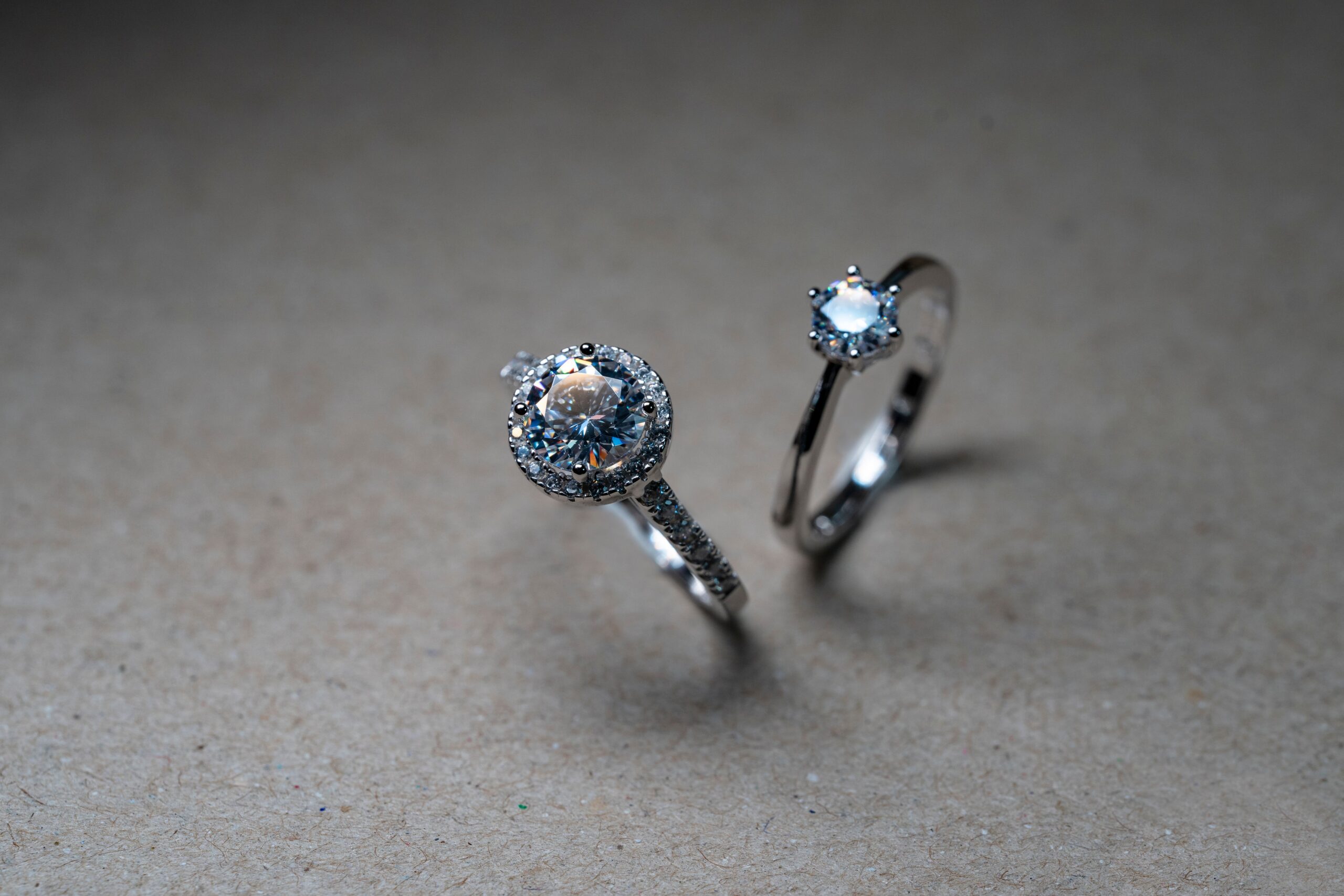
Carat is a unit of weight, not a measure of diameter or visible size. One metric carat equals 200 milligrams and is divided into 100 points. A laboratory can weigh a diamond more precisely than the two decimal places normally printed on a grading report, then apply its reporting rule to produce the stated carat weight.
Under GIA’s published rule, a diamond is reported to the hundredth of a carat, but the hundredth is increased only when the thousandth digit is 9. GIA’s example is precise: 1.768 ct is reported as 1.76 ct, while 1.769 ct is reported as 1.77 ct. A “magic size” is a popular commercial weight threshold, not a new quality grade or a visible transformation.
Those two ideas—laboratory rounding and market thresholds—are often blended together. They should be separated. Rounding explains how an exact scale reading becomes a report entry. A magic size describes demand around familiar weights such as one carat. Neither tells you how broad the diamond looks, how well it handles light or whether its proportions suit the design.
What a carat and a point actually measure
A metric carat is 0.20 gram, or 200 milligrams. Dividing a carat into 100 equal points makes one point equal to 0.01 ct, or 2 milligrams. The point system is simply another way to state weight: 25 points is 0.25 ct, 75 points is 0.75 ct and 100 points is 1.00 ct.
1.00 ct
Equals 200 milligrams and 100 points.
0.50 ct
Equals 100 milligrams and 50 points.
0.01 ct
Equals 2 milligrams; it is a weight increment, not a dimension.
The decimal point matters. “One point zero five carats” means 1.05 ct, or one carat and five points—not 1.50 ct. For a loose centre diamond, the report normally identifies that individual stone’s weight. Jewellery containing several diamonds may also be described with a combined total weight, which is a different statement and should not be used as the centre stone’s carat weight.
Most importantly, weight and size are not interchangeable. Length, width and depth describe dimensions; carat describes mass. Two diamonds can have the same reported weight but different face-up measurements because their shapes and proportions distribute that weight differently.
How laboratories measure and report carat weight
Diamond laboratories use calibrated electronic balances in controlled working conditions. GIA explains that its laboratory balance records beyond the precision eventually printed on the report. IGI states that its grading scales are calibrated to four decimal places while carat weight is reported to two. The extra precision supports a controlled measurement; the consumer-facing report still needs a consistent convention.
Do not assume that every laboratory’s complete internal process is identical. The safe approach is to read the issuing laboratory’s current explanation and the exact report in front of you. A report number, weight and measurements should refer to the same diamond, and the report’s verification service should reproduce those details.
Hundredths make carat weights practical to state and compare. The underlying instrument may show additional places, but publishing endless digits would suggest a level of consumer distinction that is not useful on its own. The laboratory’s documented rule determines how the more precise reading becomes the displayed number.
Measurements are a separate report field. GIA describes using an optical measuring device for length, width and proportions; IGI likewise describes a scanner that records geometry and key dimensions. Read both fields. The weight tells you how heavy the stone is, while the dimensions help you understand its physical spread and outline.
GIA carat-weight rounding: why the third decimal matters
GIA’s rule is intentionally more conservative than ordinary “five rounds up” arithmetic. The report shows two decimal places. To decide whether to increase the second decimal, GIA looks at the thousandth place—the third digit after the decimal point—and rounds up only when that digit is 9.
| Precise weight used in GIA’s example | Third decimal | Reported weight | Reason |
|---|---|---|---|
| 1.768 ct | 8 | 1.76 ct | The third decimal is not 9, so the hundredth is not increased. |
| 1.769 ct | 9 | 1.77 ct | The third decimal is 9, so the hundredth increases by one. |
This is why familiar school rounding can produce the wrong expectation. Under ordinary arithmetic, someone might expect 1.768 to become 1.77 when shortened to two decimals. That is not the GIA reporting example. The published threshold is a 9 in the thousandth position.
It also explains why two extremely close scale readings can appear in adjacent hundredths on reports. A movement from 1.768 to 1.769 ct is one thousandth of a carat—0.2 milligram—yet it crosses the documented reporting boundary from 1.76 to 1.77 ct. The report entries are different because the rule needs a consistent cut-off, not because the diamond suddenly becomes visibly larger or better.
Keep the rule tied to its source. GIA’s public FAQ provides the 1.768/1.769 example. When reading another laboratory’s document, use that laboratory’s stated method rather than carrying the GIA convention across by assumption.
What diamond “magic sizes” mean
Magic sizes are popular weight thresholds used in diamond commerce. GIA educational material gives examples around quarter-, half-, three-quarter- and one-carat weights, and also discusses 1.00, 1.50 and 2.00 ct as desirable round-number milestones. These are market conventions, not laboratory grades.
Demand may change around a threshold because buyers recognise the number and suppliers sort diamonds into familiar weight bands. That can affect how stones are offered and priced, but there is no universal price formula that this article can predict. Shape, cut-related quality, colour, clarity, origin, report, supply and the individual seller’s market all remain relevant.
A 0.99 ct diamond does not become a different kind of object at 1.00 ct. The stated weights differ by one point, while the visible difference depends on the actual measurements, proportions, outline and setting. Compare the stones rather than assuming the round-number label guarantees a particular face-up result.
A polished diamond can carry some of its weight in extra depth rather than useful face-up spread. That does not follow from the carat number alone, but it gives the buyer a reason to inspect proportions rather than celebrating a threshold by itself. Weight below the girdle may contribute little to the view from above.
Why carat weight cannot predict face-up size
Imagine two diamonds that both read 1.00 ct. One may distribute more weight across its visible length and width; another may carry more depth below the girdle. They can therefore present different face-up areas even though the balance records the same mass. Shape adds another variable: a one-carat oval, cushion and round do not share one standard outline.
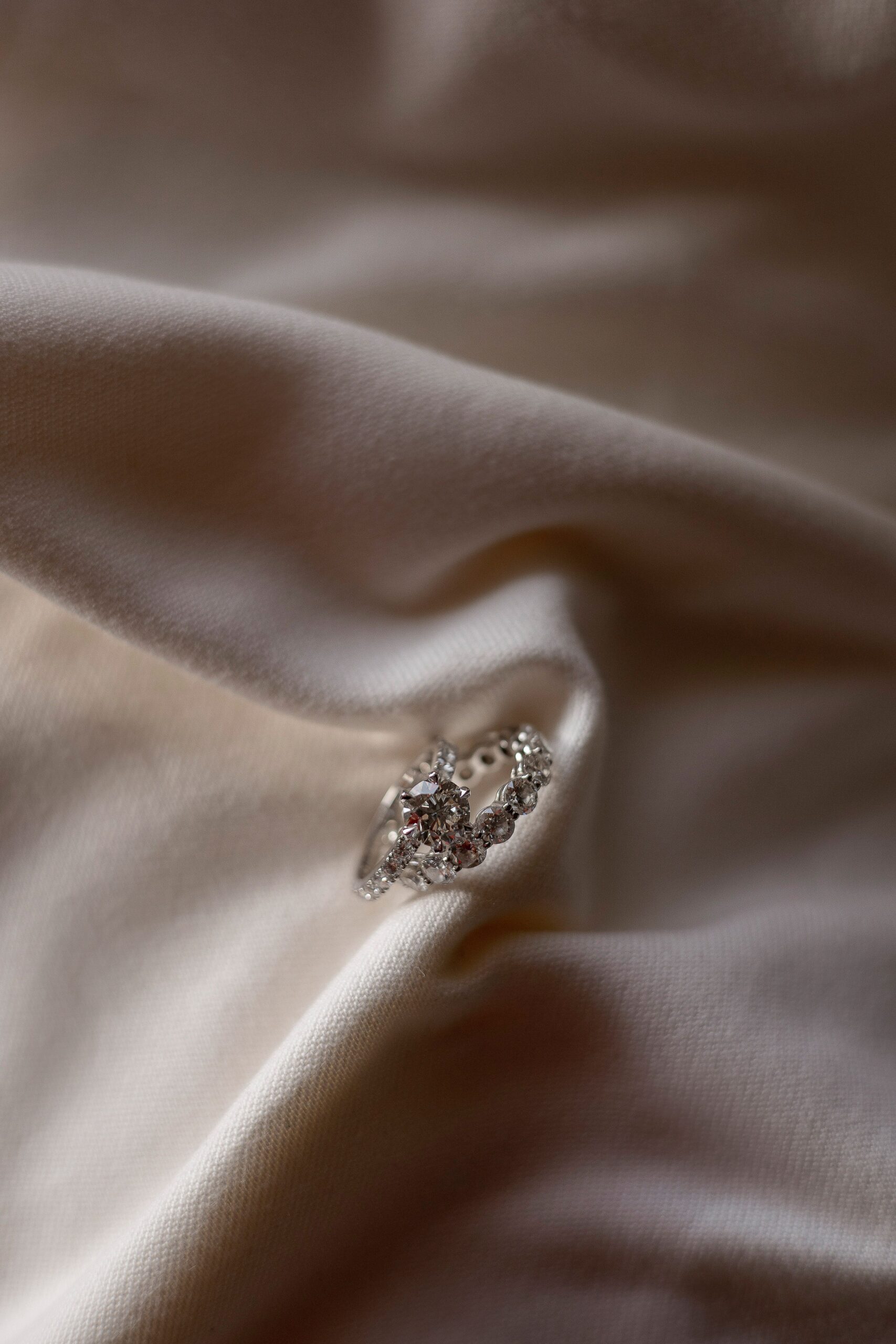
Start with the report’s millimetre measurements. For elongated shapes, a length-to-width ratio comparison helps describe whether the outline is broad or slender. Ratio still cannot replace direct viewing, but it explains shape in a way that weight cannot.
Then assess cut and appearance. Look at brightness and contrast face-up, tilt the stone, check whether the outline is symmetrical, and consider how the setting frames it. A halo, bezel, prong arrangement or surrounding stones can change perceived scale without changing the centre diamond’s carat weight.
A photograph can assist a shortlist, but only when candidates are shown at the same scale, angle and lighting. Magnified product images are not measurement tools. Ask for report dimensions and compare like with like before judging which stone appears larger.
How to compare neighbouring carat weights responsibly
Begin with identity: verify the report number through the issuing laboratory, then match the weight and measurements to the diamond. Laxmi Jewellers’ guide to reading a diamond grading report explains the broader document; here, the relevant task is to keep the weight field connected to the measurement and cut-related fields beside it.
- Confirm whether the figure is an individual stone’s carat weight.
- Verify the report number with the issuing laboratory.
- Read length, width and depth alongside the stated weight.
- Compare diamonds of the same shape under consistent conditions.
- Inspect face-up spread instead of assuming more weight looks larger.
- Review cut grade or available proportion information separately.
- Treat a magic-size threshold as commercial context, not quality.
- Judge the finished setting as well as the loose diamond.
If two candidates sit either side of a familiar threshold, do not reduce the decision to “below” and “above”. Compare the exact reports, physical measurements, face-up videos and settings. The higher stated weight may be preferable, but it needs to earn that preference through the complete stone rather than the decimal alone.
For buyers considering lab-grown diamond jewellery, the same measurement logic applies: carat is mass, report dimensions describe geometry, and the finished piece must be viewed as a complete design. To continue from technical comparison to suitable designs, explore Laxmi Jewellers’ lab diamond jewellery collection.
Five mistakes carat decimals can encourage
Using normal rounding for a GIA report. The GIA example increases the hundredth only when the thousandth digit is 9. A third digit of 5, 6, 7 or 8 does not round up under that published rule.
Calling carat a size measurement. Carat measures weight. Millimetres describe dimensions, while face-up size is a visual judgement informed by those dimensions and the outline.
Assuming a magic number creates quality. Crossing 1.00 ct does not improve colour, clarity, cut, symmetry or visual balance. Those characteristics need their own evidence.
Predicting price from weight alone. Thresholds can influence the market, but there is no reliable one-variable price rule for an individual diamond. Compare complete specifications and current offers.
Ignoring the setting. Metal coverage, orientation and surrounding stones change the apparent footprint of a ring. A loose-stone report cannot show the whole finished effect.
Diamond carat weight rounding FAQs
How many points are in one carat?
There are 100 points in one metric carat. One point equals 0.01 ct, so 50 points is 0.50 ct and 75 points is 0.75 ct.
Why does GIA report 1.768 ct as 1.76 ct?
GIA states that it increases the hundredth only when the thousandth digit is 9. In 1.768, that digit is 8, so the reported weight remains 1.76 ct. Its paired example, 1.769 ct, is reported as 1.77 ct.
Is a one-carat diamond always visibly larger than a 0.99 ct diamond?
No. The weights differ, but visible size depends on length, width, depth, shape, proportions and setting. Compare the actual dimensions and face-up appearance under consistent conditions.
Is a magic size a diamond quality grade?
No. It is a commercial term for a popular weight threshold. It does not replace laboratory information about cut, colour, clarity, finish or measurements.
Do all laboratories use GIA’s rounding rule?
Do not assume so. Use the current methodology published by the laboratory that issued the report. IGI, for example, states that its scales are calibrated to four decimal places and that carat weight is reported to two, while GIA publishes the specific third-decimal rule described here.
What should I compare when carat weights are close?
Verify both reports, then compare millimetre dimensions, shape, proportion or cut information, face-up appearance and the intended setting. Treat the decimal as one fact within the complete comparison.
Sources and further reading
The measurement definitions and laboratory-process statements in this guide were checked against current GIA and IGI consumer information.
Compare carat weight in complete jewellery designs
Read the report, check the millimetre dimensions and then judge how the diamond and setting work together.
