Understand the 4Cs
Compare cut, colour, clarity, and carat weight with a clearer understanding of how each factor affects appearance and value.
LAB GROWN DIAMONDS IN DUBAI
A complete guide to understanding lab grown diamonds, comparing quality, reviewing IGI certification, and choosing the right diamond for your style and budget in Dubai.
Compare cut, colour, clarity, and carat weight with a clearer understanding of how each factor affects appearance and value.
Use an independent grading report to check the diamond details and make a more informed comparison.
Look beyond carat weight alone and balance quality, size, shape, setting, and personal preference.
COMPLETE BUYING GUIDE
UNDERSTANDING THE DIAMOND
Lab grown diamonds are real diamonds created in controlled environments using advanced technology that recreates the conditions in which diamonds form. They have the same essential crystal structure and the same visual characteristics people value in a diamond, including brilliance, fire, and durability.
They are different from diamond simulants such as cubic zirconia or moissanite. A lab grown diamond is graded using the same core quality factors used for natural diamonds: cut, colour, clarity, and carat weight.
For many buyers in Dubai, lab grown diamonds offer a practical way to prioritise design, size, and quality while keeping more control over the overall jewellery budget.
MAKING THE RIGHT COMPARISON
The main difference is origin. Natural diamonds form beneath the earth over a very long period, while lab grown diamonds are produced in a controlled setting. Both can be cut and polished into fine jewellery, and both are assessed according to recognised diamond grading standards.
Natural diamonds are valued partly for their geological rarity. Lab grown diamonds are often chosen by buyers who want a larger visual presence, higher specifications, or a more detailed jewellery design within a defined budget.
The better choice depends on what matters most to you. Some buyers prioritise natural origin and rarity, while others prioritise appearance, certified quality, design freedom, and accessible pricing.
LAB DIAMOND QUALITY GUIDE
Quality should never be judged by carat weight alone. The strongest choice is usually the diamond that balances visual beauty, grading, dimensions, and price in a way that suits the final jewellery design.
Cut has a major effect on how effectively a diamond reflects light. A well-cut diamond can appear brighter and more lively, even when its colour or clarity grade is not the highest available.
Diamond colour is graded according to how colourless the stone appears. The right grade depends on the diamond shape, metal colour, setting style, and your own visual preference.
Clarity describes internal and external characteristics. Rather than paying only for a high grade, check whether any inclusions are visible without magnification and whether they affect the diamond’s appearance.
Carat measures weight, not the exact face-up size. Two diamonds of the same carat weight can look different because of their proportions, shape, and measurements.
LOOK BEYOND THE GRADE
A grading report is important, but it should be considered together with the way the diamond actually looks. Proportions influence sparkle and visual size, while the diamond shape affects style, finger coverage, and how the stone works with a particular setting.
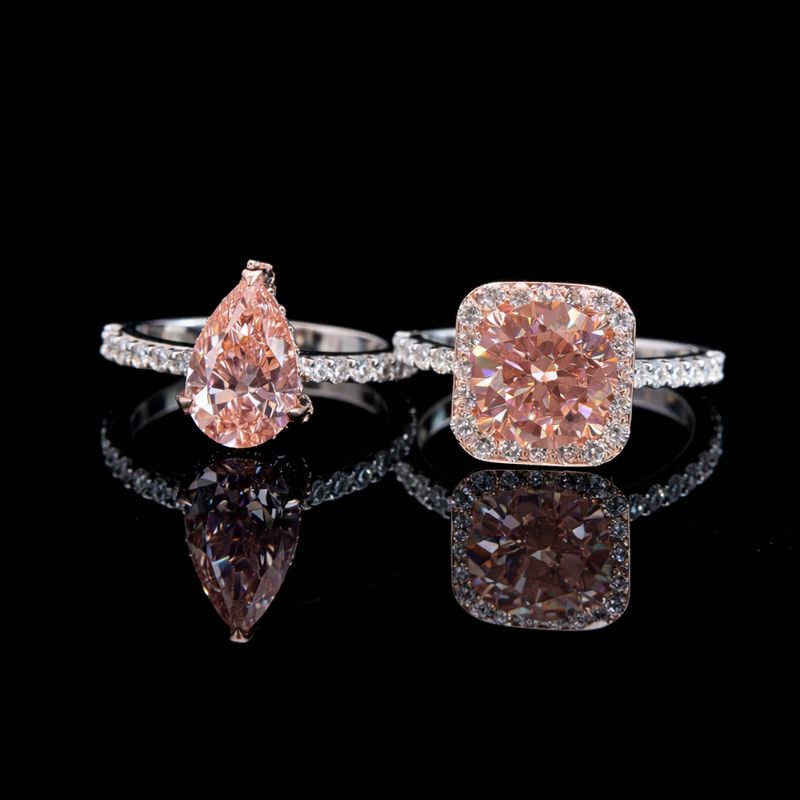
Round diamonds are known for classic brilliance, while oval, pear, emerald, radiant, cushion, princess, and marquise shapes each create a different visual effect. The best shape is the one that suits the wearer’s style and the intended jewellery design.
When comparing options, review the report, measurements, videos or close-up views, and the finished design rather than selecting a diamond from one grade alone.
IGI CERTIFIED LAB GROWN DIAMONDS
Independent certification gives buyers a documented reference for the quality characteristics of a diamond. IGI is widely used for grading lab grown diamonds and provides a report that identifies the stone and records its assessed specifications.
An IGI report typically includes the diamond’s shape and measurements, carat weight, colour grade, clarity grade, and details such as polish and symmetry. Depending on the diamond and report, additional information may also be provided.
Certification does not replace viewing the diamond, but it makes comparison clearer and reduces the need to rely only on a seller’s description.
VERIFY BEFORE YOU BUY
Start by checking the report number and matching the information with the diamond being offered. Review the shape, measurements, carat weight, colour, clarity, polish, and symmetry, then compare these details with the actual appearance of the stone.
The report number can be checked through IGI’s report verification service. Some diamonds may also have a laser inscription on the girdle that can be viewed under magnification and matched with the report.
Ask for a clear explanation of any grading term you do not understand. A trustworthy buying process should make the report easier to understand, not more confusing.
LAB DIAMOND PRICES IN DUBAI
Lab grown diamond prices in Dubai vary because each stone has a different combination of size, quality, shape, and grading. The final cost of a jewellery piece also includes the metal, setting, craftsmanship, side stones, and any custom design work.
A larger carat weight usually increases price, but cut quality, colour, clarity, proportions, and shape can all create meaningful differences between diamonds that appear similar at first glance.
Prices can change over time as availability and market conditions change. For that reason, a current quotation based on the exact diamond and design is more useful than relying on an old general price range.
PRICE AND VALUE
A lower price is not automatically better value, and a higher grade is not always necessary for a beautiful result. Compare the full combination of qualities that affect how the diamond looks in the finished piece.
Carat, cut, colour, clarity, proportions, and measurements work together to influence the appearance and price of the stone.
Different shapes have different cutting requirements, availability, visual spread, and market pricing.
An independent grading report provides clearer information for comparison and supports a more transparent buying decision.
The final price also depends on gold purity, metal weight, setting complexity, accent diamonds, and craftsmanship.
Bespoke details, unusual proportions, engraving, hidden halos, and made-to-order elements can affect the final cost.
Two diamonds with similar grades may still be priced differently because of their exact measurements, quality details, and availability.
SMART BUDGET PLANNING
Begin with the jewellery style and an overall budget rather than choosing carat weight first. A diamond that looks balanced in the intended setting can be more satisfying than simply selecting the largest stone available.
Prioritise the factors you will notice most. For many designs, strong light performance and an attractive face-up appearance may matter more than paying for grades that are difficult to distinguish without magnification.
Keep enough of the budget for the setting and craftsmanship. The diamond is the centrepiece, but the proportions, metal, finishing, and security of the setting all contribute to the quality of the finished jewellery.
DESIGN POSSIBILITIES
Lab grown diamonds can be used across a wide range of fine jewellery, from classic everyday pieces to detailed bridal and made-to-order designs.
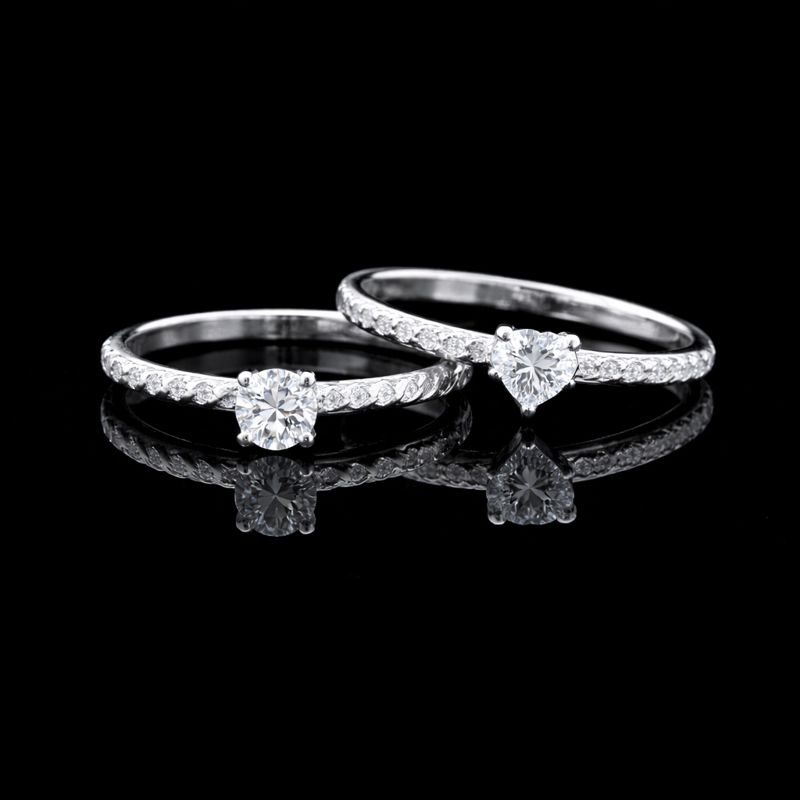
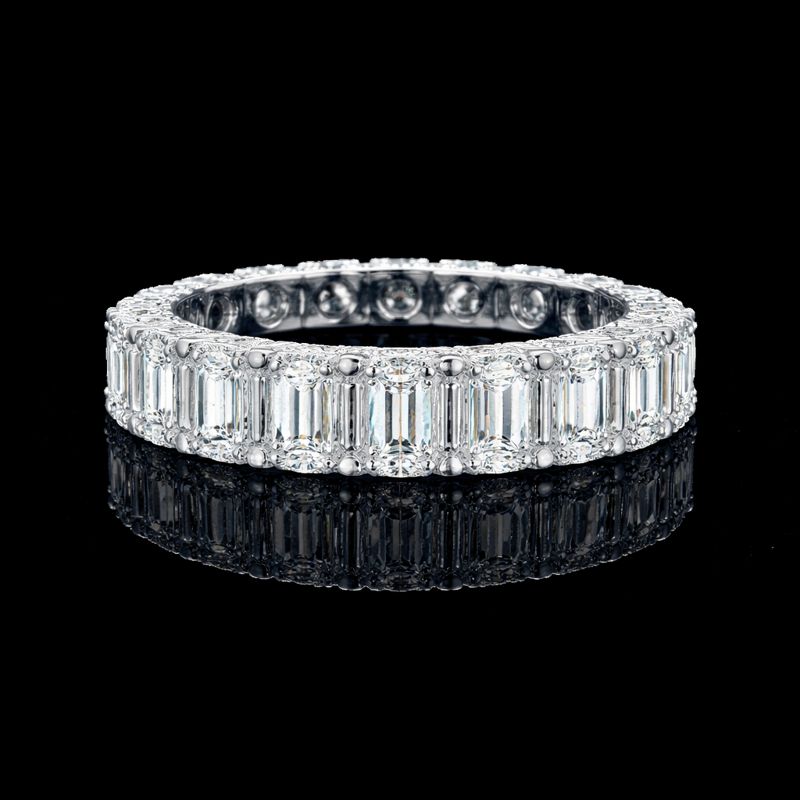
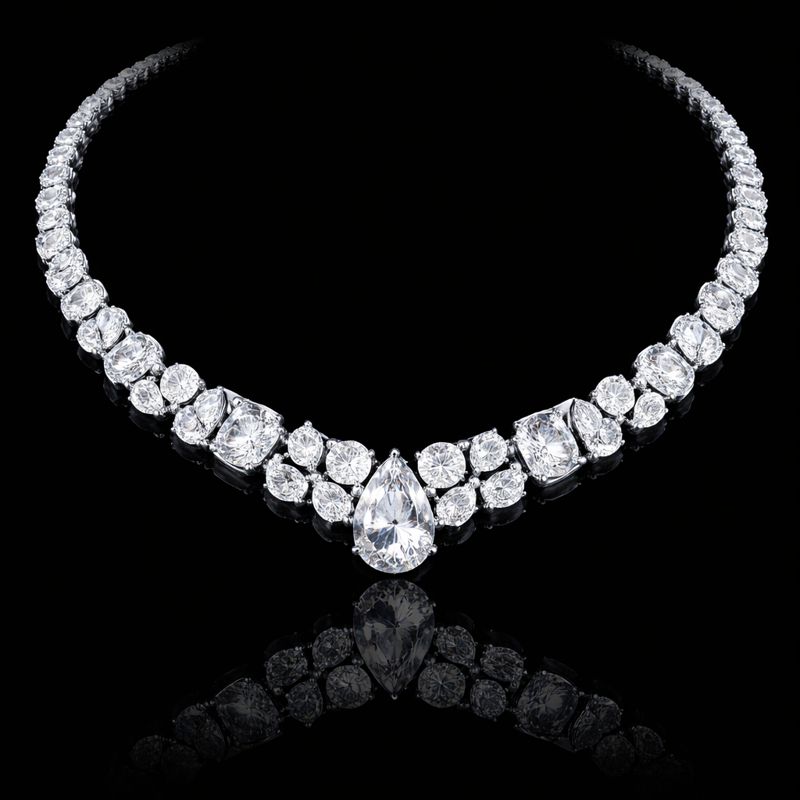
Engagement rings remain one of the most popular choices, including solitaire, halo, pavé, three-stone, hidden halo, and modern minimal settings. Lab diamonds are also used in wedding bands, earrings, pendants, bracelets, necklaces, and coordinated jewellery sets.
Buyers who want a more personal result can also create a design around a preferred diamond shape, setting style, metal colour, and budget. Learn how the custom engagement ring process in Dubai can turn an initial idea into a finished piece.
BEFORE YOU MAKE A DECISION
Use this checklist to compare diamonds more consistently and avoid making a decision based on one specification or one promotional claim.
Make sure the stone is clearly identified as a lab grown diamond and not a diamond simulant.
Check the report number, measurements, carat, colour, clarity, polish, symmetry, and any other listed characteristics.
Look at the diamond in normal viewing conditions and compare sparkle, shape, proportions, and any visible inclusions.
Confirm what is included in the quotation, including the diamond, metal, setting, side stones, making charges, and custom work.
Review how securely the diamond is set and whether the proportions, comfort, polish, and finishing meet your expectations.
Understand the available guidance for cleaning, maintenance, resizing, inspection, and after-sales support.
LAXMI JEWELLERS APPROACH
At Laxmi Jewellers, the buying process is focused on helping customers understand the diamond before making a decision. This includes explaining the 4Cs, reviewing certification, comparing suitable options, and considering how the diamond will look in the finished jewellery design.
Rather than recommending a diamond from carat weight alone, we look at the balance between cut, colour, clarity, measurements, shape, setting, and budget. The aim is to make the comparison practical, transparent, and relevant to the person who will wear the jewellery.
Whether you are choosing an engagement ring, a gift, or a custom piece, take time to compare the complete diamond and ask questions about every detail that matters to you.
FREQUENTLY ASKED QUESTIONS
Clear answers to common questions about quality, certification, pricing, and jewellery selection.
Yes. Lab grown diamonds have the essential crystal structure and visual properties associated with diamonds. They are different from simulants such as cubic zirconia and moissanite.
The price depends on carat weight, cut, colour, clarity, shape, certification, proportions, and current availability. The final jewellery price also depends on the metal, setting, craftsmanship, and customisation.
All four Cs matter, but cut quality has a strong influence on brilliance and visual performance. The best choice is a balanced diamond that looks attractive and fits the intended design and budget.
An IGI grading report gives you an independent record of the diamond’s assessed specifications. It supports clearer comparison and helps you understand what you are purchasing.
Yes. You can use the report number to check the grading information through IGI’s report verification service and compare the details with the diamond being offered.
Yes. Lab grown diamonds are used in solitaire, halo, pavé, three-stone, hidden halo, and custom engagement ring designs. The right choice depends on the wearer’s style, preferred shape, setting, and budget.
CHOOSE WITH CLARITY
Compare quality, understand certification, and choose a diamond that feels right for your design and budget. Visit Laxmi Jewellers for clear, personalised guidance.