

Jewellery travel guide · Laxmi Jewellers Dubai
How to Pack Diamond Jewellery for Travel: Separate, Secure and Check
Choose fewer pieces, inspect every setting, separate chains and earrings, keep the case under control and reconcile the contents when you return.
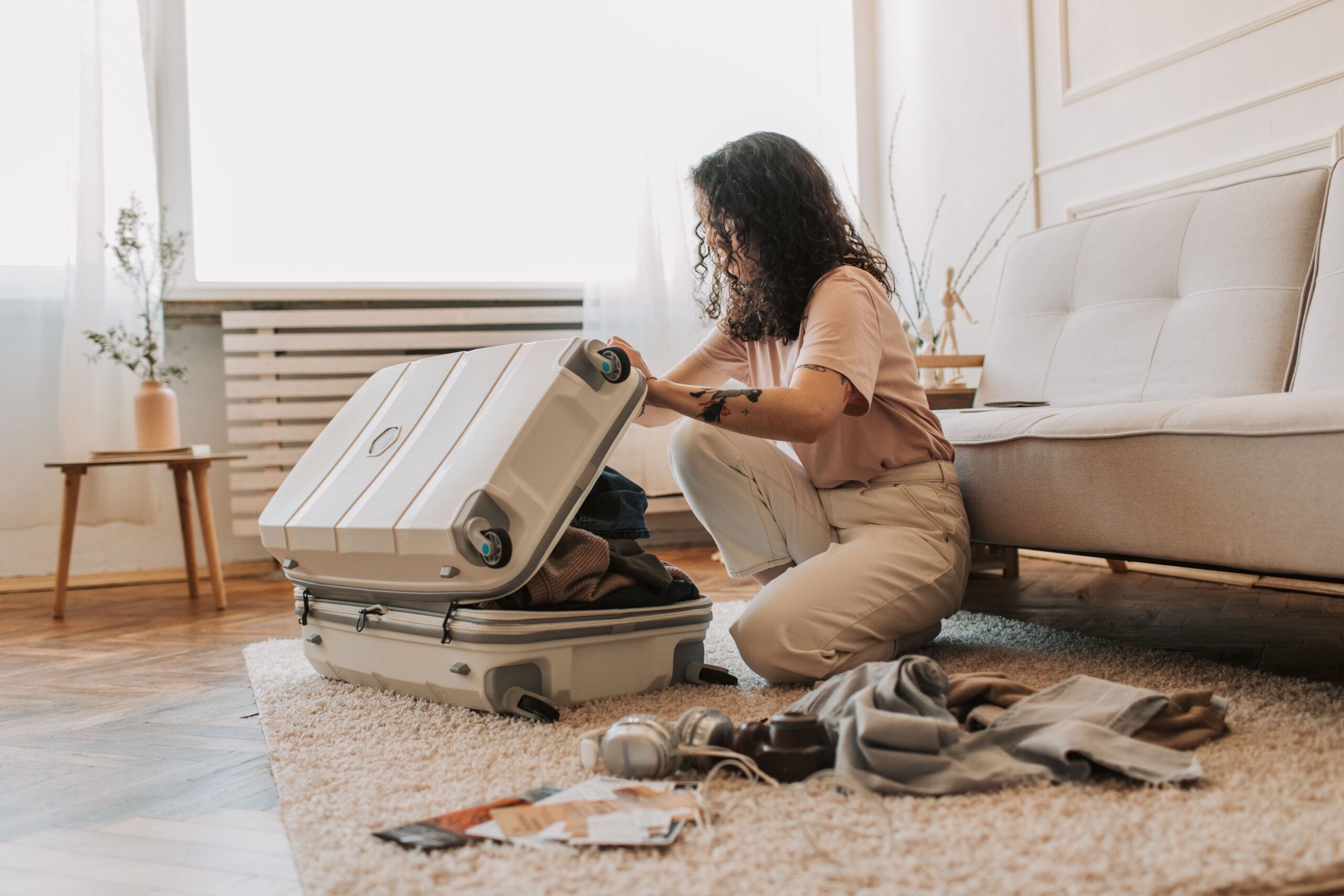
The safest way to pack diamond jewellery for travel is to take only the pieces you expect to wear, inspect them before departure, photograph and list them, then separate each item inside a soft-lined structured case kept in your carry-on or personal item. Close chains and clasps, pair earrings securely and keep rings in fitted slots rather than loose pockets.
A travel case reduces rubbing and tangling, but it cannot prevent every loss or impact. Use a deliberate sequence: select, inspect, document, separate, carry, store and check. Airport and customs procedures vary, so follow current official instructions for the exact route rather than relying on an old threshold or another traveller’s experience.
Choose what really needs to travel
Packing every favourite piece creates more items to track and more chances for two pieces to rub together. Begin with the activities, accommodation and secure storage available at the destination. A ring that suits a dinner may be a poor choice for swimming, hiking, sport, spa treatments or hands-on work.
Ask which pieces will actually be worn, whether one combination can work with several outfits and whether a sentimental or difficult-to-replace item needs to leave home at all. A deliberate small selection is easier to document and return to the same compartments. If an item is already loose, damaged or unsuitable for the trip, careful packing will not repair it; arrange an assessment or leave it in secure storage.
Take
Versatile pieces in sound condition that suit the itinerary and can be stored separately in a case that stays under your control.
Leave securely at home
Damaged, irreplaceable or unnecessary pieces, plus designs that conflict with planned water, sport or impact-heavy activities.
Inspect settings, backs, links and clasps
Travel adds repeated handling, hurried fastening and unfamiliar storage. Inspect every piece in good light before departure. Look rather than prodding with a tool: a loose component should be assessed professionally, not tested by bending it further.
Rings
Look for a stone that moves during normal handling, a prong that appears lifted, unusually thin, rough or out of alignment, and a shank that is bent or cracked. Laxmi’s diamond-ring prong inspection guide explains warning signs that concern stone security.
Necklaces and bracelets
Open and close the clasp gently, confirm positive engagement and check jump rings, attachment points and the full chain for stretched, twisted or rough links. Close every fitted secondary safety. The necklace clasp guide explains how closure and chain weight interact.
Earrings
Match each pair and inspect posts, hinges, hooks and backs. A back that has become loose should not be trusted because it still slides onto the post. Laxmi’s comparison of screw backs and push backs covers fit and daily checks.
Photograph and list each piece
Photograph each item from more than one angle and make a short private inventory. Record a useful description, metal colour, distinctive details, the two parts of a pair, any relevant report or appraisal reference, existing condition marks and the compartment used. Keep useful documents securely and separately from the jewellery.
Jewelers Mutual’s 2026 travel guidance recommends photographing pieces and documents before departure. The value of the list is practical: it makes departure and return checks objective. Avoid displaying values, the case or a detailed itinerary on public social media.
Separate jewellery inside a structured case
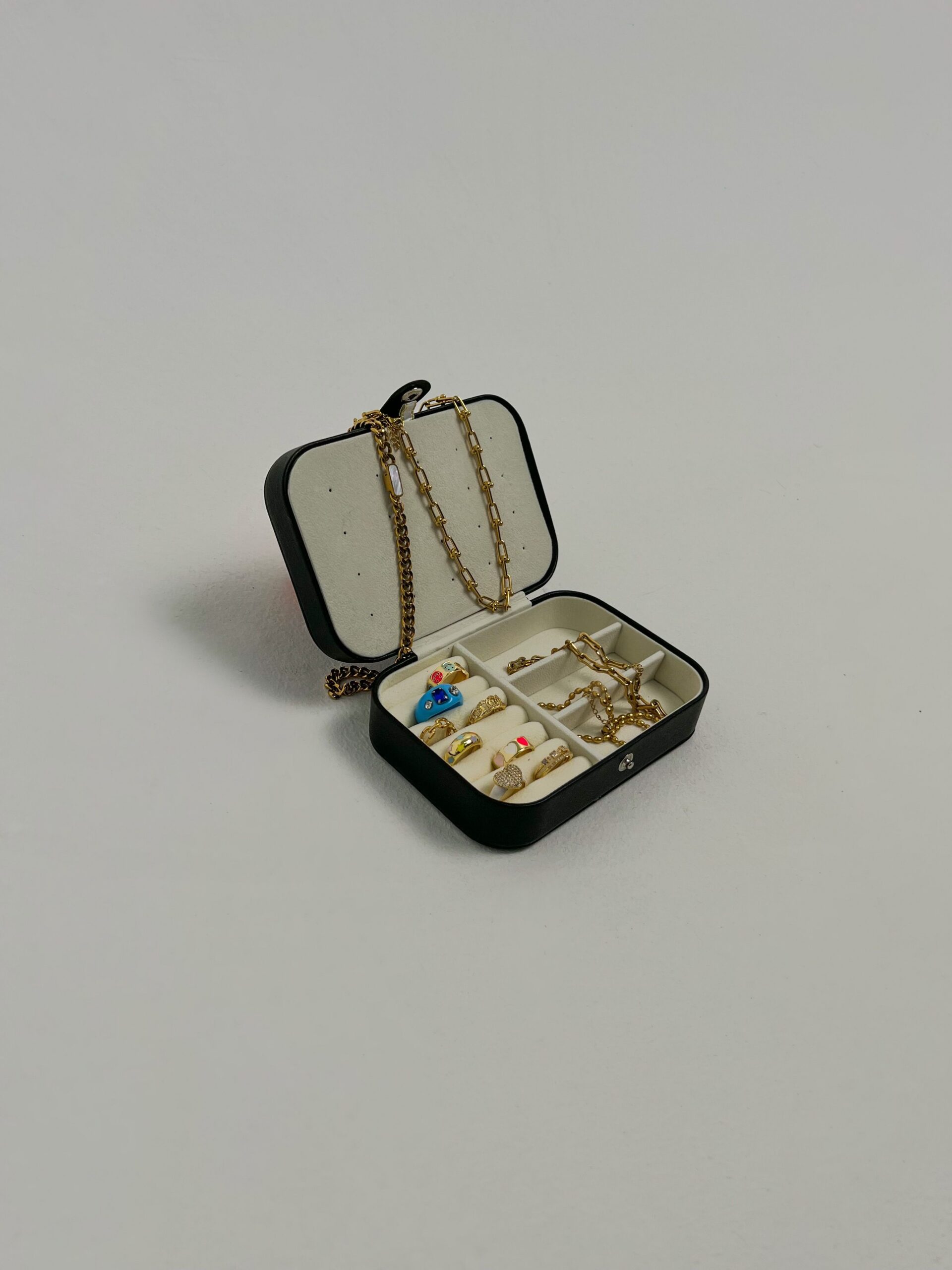
Choose a soft-lined case that closes fully and is structured enough to resist pressure inside the bag. The goal is to stop jewellery moving, striking other pieces or becoming entangled. Avoid loose fibres around prong-set designs, and make sure one item cannot slide into another compartment.
| Jewellery | Packing method | Avoid |
|---|---|---|
| Rings | Use individual padded ring slots or separate soft pouches inside a structured case. | Loose rings sharing a pocket or pressing against hard items. |
| Stud earrings | Secure each pair in an earring panel or small lined compartment; keep both backs together. | Loose backs mixed with chains, coins or other metal objects. |
| Drop or hoop earrings | Close the mechanism and separate the pair from chains and pendants. | Forcing a large earring into a shallow slot. |
| Fine necklaces | Fasten the clasp, lay the chain flat or in a gentle curve and use one sleeve or compartment per necklace. | Tight knots, sharp folds and several chains in one pouch. |
| Pendants | Keep the pendant from repeatedly striking the chain or another pendant. | Allowing a heavy pendant to pull against a fine chain. |
| Bracelets | Close the clasp and fitted safety, then give the bracelet its own compartment. | Compressing flexible links beneath hard objects. |
Fastening a necklace helps keep the chain organised, but do not pull it tight or create a sharp bend. Laxmi’s guide to layering necklaces without tangling explains why chain weight, pendant position and separation matter.
Plan carry-on and security handling
Jewellery-industry travel guidance recommends keeping fine jewellery in a carry-on or personal item rather than checked baggage. Put the closed case inside a zipped interior section. Before boarding, plan for the possibility that a larger cabin bag may be checked at the gate; the case should be easy to move discreetly into the personal item that remains with you.
- Follow checkpoint instructions. Security procedures vary by airport, route and item.
- Keep pieces contained. Leave jewellery in the closed case unless staff request a different action.
- Use a closed pouch if removal is required. When the procedure permits, place an item inside a zipped carry-on section rather than loose in a tray.
- Keep the tray in view. Collect the item immediately and check the tray, pockets and bag before leaving.
- Retain control of the personal item. Do not leave the bag unattended during transfers.
The US Transportation Security Administration’s checklist says bulky jewellery may need removal and valuable items can be placed in carry-on baggage. Dubai Airports advises passengers to place metal objects in the designated screening tray. These are route-specific examples, not universal rules; staff instructions at the airport take priority.
Use one destination storage routine
Many losses occur during ordinary transitions: a ring beside a sink, an earring on a bedside table or a necklace moved between several bags. Choose one secure storage location on arrival and return jewellery to the closed case whenever it is not being worn. Avoid towels, tissues, open suitcases, bathroom pockets and unattended vehicles. Use available secure storage appropriately, but do not treat a room, bag or safe as a guarantee.
Remove diamond jewellery before swimming, water sports, strenuous exercise or activities where impact and snagging are likely. Water, lotion, sunscreen and cosmetics can leave residue, while cold conditions can change how a ring fits. Small pieces are also difficult to recover from water, sand or bedding.
Clean only by a method suitable for the complete piece—not merely the diamond. Metal, plating, delicate settings and other gemstones may need different treatment. Laxmi’s diamond-jewellery cleaning and maintenance guide provides a broader care reference.
Check current airport and declaration rules
Rules can change with the route, destination, value, ownership and whether items are personal belongings, gifts or commercial goods. Dubai Airports’ current arrivals information lists precious metals, jewellery and valuable stones among items travellers may need to declare and directs passengers to Dubai Customs’ iDeclare service.
Before travelling, check the official customs and airport guidance for the exact journey. Keep relevant purchase, appraisal or ownership records available when appropriate, but store them securely. Do not rely on an old threshold, a social-media post or another traveller’s experience.
Check every item after the trip
Place the closed case in a clear, well-lit area and compare its contents with the original inventory before unpacking items in several rooms. Count both parts of every pair, confirm that backs and pendants are present, and inspect settings, posts, links and clasps again.
- Note any item exposed to water, cosmetics or impact.
- Look for newly raised prongs, bent posts, strained links or a clasp that feels different.
- Clean only with a method appropriate to the entire piece.
- Arrange professional assessment if anything is loose, rough, distorted or unreliable.
- Return jewellery and documents to their normal secure storage.
Do not make an ultrasonic cleaner or aggressive polish an automatic post-travel step. Treated stones, plated surfaces, delicate settings and previous repairs can change what is safe.
Diamond jewellery travel checklist
Before departure
- Choose only what you will wear.
- Inspect stones, links, posts, backs and clasps.
- Photograph and list each item.
- Close and separate every piece.
- Review official route rules.
During and after
- Keep the case in a controlled carry-on.
- Follow security instructions.
- Use one destination storage place.
- Remove pieces before water or impact.
- Reconcile and inspect on return.
Travelling with diamond jewellery FAQ
Should diamond jewellery go in checked luggage?
Jewellery-industry guidance recommends keeping fine jewellery in a carry-on or personal item under your control. If a cabin bag may be checked at the gate, plan to transfer the closed case discreetly to the personal item you retain.
Can I wear diamond jewellery through airport security?
Procedures vary by airport and item. Small pieces may remain on, while bulky metal jewellery may require separate screening. Follow staff instructions and keep removed pieces contained when the procedure permits.
How do I stop necklaces tangling in a travel case?
Fasten each clasp, lay the chain flat or in a gentle curve and give each necklace its own sleeve or compartment. Keep a heavy pendant from pulling against a fine chain.
How should diamond earrings be packed?
Keep each pair together in a fitted panel or small lined compartment. Secure the backs without forcing them, separate drop earrings from chains and count both earrings and both backs at departure and return.
Is a soft pouch enough for an engagement ring?
A pouch reduces rubbing but may not resist pressure in a tightly packed bag. A fitted ring slot inside a structured case gives more control. Inspect the prongs first and keep the ring separate from other jewellery.
Should I remove jewellery at the beach or pool?
Removing it before swimming reduces exposure to loss, impact, residue and fit changes. Put it directly into its designated secure case—never a towel, tissue or loose pocket.
Do I need to declare jewellery when travelling?
That depends on the route, destination, value and purpose. Check current official guidance for the exact journey. Dubai Airports currently directs travellers to declaration information and Dubai Customs’ iDeclare service.
Sources used for this guide
- US Transportation Security Administration: Travel checklist
- Dubai Airports: Security tips
- Dubai Airports: Arrivals and items to declare
- Jewelers Mutual: How to travel with jewellery safely
- Jewelers Mutual: 2026 travel-study findings
- National Association of Jewellers: Caring for jewellery
Sources and the Pexels licence were checked on 30 October 2026. Airport, customs and security procedures can change; verify the current official guidance for the exact route.
Pack fewer pieces and give each one a place
Choose jewellery in sound condition, separate every item and keep the case under your control from departure to the return check.
