

Diamond treatment guide · Laxmi Jewellers Dubai
Diamond Treatments Explained: Laser Drilling, Fracture Filling, HPHT and Irradiation
Learn what four common diamond treatments change, how treatment differs from diamond origin, and which report, disclosure and care questions matter before purchase or repair.
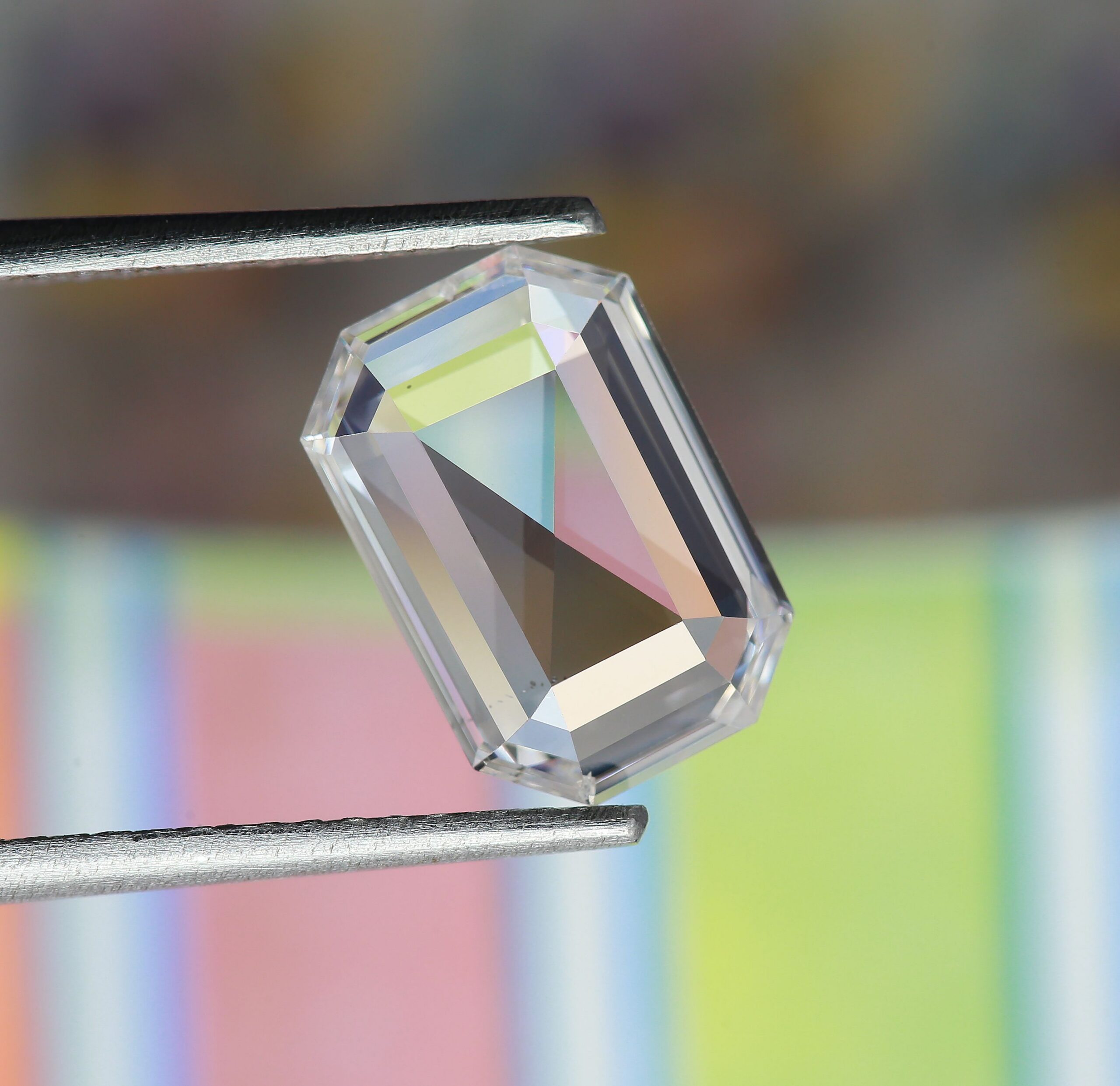
A diamond treatment is a deliberate process applied to a finished or partly finished stone to alter its apparent clarity or colour. It does not, by itself, answer whether the diamond formed in the earth or was grown in a laboratory. Laser drilling and fracture filling address visible clarity features; high-pressure, high-temperature processing and irradiation can alter colour. Each process has a different level of stability, a different report treatment and different implications for cleaning, repair and disclosure.
Keep three questions separate: What is the stone? Where did it originate? Has it been treated? A report from an appropriate gemmological laboratory can address those questions within its stated scope. The shared initials “HPHT” need special care: an HPHT-grown diamond describes origin, while HPHT treatment describes a later colour-altering process. Never infer either treatment or origin from appearance alone.
Treatment, origin and grading are separate facts
Diamond descriptions can become confusing because several facts are often discussed in one sentence. Origin distinguishes a natural diamond from a laboratory-grown diamond. Treatment records a process used to change the appearance of a particular stone. Grading describes measurable and observable characteristics under a laboratory’s procedures. One fact does not replace the other two.
A treated diamond is still diamond, but the treatment may change how its colour or clarity should be understood, how it should be cared for and how it compares with an untreated stone. Likewise, the fact that a diamond is laboratory-grown does not automatically identify a post-growth treatment. If you need a refresher on origin rather than treatment, Laxmi’s CVD and HPHT growth-method guide explains how those production routes differ.
| Treatment | Main purpose | Stability and care point | Report point |
|---|---|---|---|
| Laser drilling | Creates a minute route to remove or lighten a dark inclusion. | The drill channel is permanent; ask whether any filling was added afterwards. | GIA treats drill holes as clarity characteristics and plots them on reports it issues. |
| Fracture filling | Places a glass-like substance in a surface-reaching fracture to reduce its visibility. | Not considered permanent or stable; heat, steam, acid and ultrasonic cleaning may damage the filling. | GIA does not issue grading reports for fracture-filled diamonds. |
| HPHT treatment | Uses high pressure and high temperature to alter colour. | GIA describes it as stable; the treatment must still be disclosed. | It may receive a GIA report that identifies treated colour. |
| Irradiation | Uses high-energy particles to produce colour, sometimes followed by annealing. | Stable in regular wear, but repair heat can require special consideration. | GIA issues reports for irradiated diamonds and identifies treated colour. |
Laser drilling: a permanent route to a dark inclusion
In conventional laser drilling, a laser creates a very small channel from the diamond’s surface towards a dark inclusion. The inclusion may be vaporised, or the channel may allow a bleaching agent to lighten it. The purpose is visual: reducing the contrast of a dark feature can make it less noticeable. The process does not erase the original clarity history of the stone.
GIA regards a laser drill hole as a clarity characteristic. The channel itself cannot be removed, so the treatment is described as permanent. That word should not be misread as “untreated”, “invisible” or “immune to damage”. A drill channel can collect foreign material and become more visible, and an internally laser-drilled feature can be more difficult to recognise without suitable expertise.
Ask one follow-up question: was the drilled area also fracture-filled? A stone can undergo more than one process. The care and reporting position for a laser-drilled diamond changes materially if a glass-like filler has also been introduced. This is why a vague phrase such as “clarity enhanced” is less useful than the exact treatment name in writing.
Fracture filling: less visible feathers, greater care sensitivity
Fracture filling introduces a molten, leaded glass-like material into a surface-reaching feather or fracture. Because the filler has optical properties that reduce the visual contrast of the break, the fracture can appear less obvious face-up. The treatment changes appearance; it does not remove the fracture from the diamond.
GIA classifies fracture filling as nonpermanent or unstable and does not issue its diamond grading reports for fracture-filled stones. The filling may be damaged during common workshop or cleaning procedures, including steam, acid or ultrasonic treatment. If the filler darkens, GIA notes that it cannot simply be made colourless again. A filled diamond therefore needs treatment-specific instructions, not a generic assumption that every diamond tolerates the same cleaning method.
Before routine cleaning
Tell the jeweller that the diamond is fracture-filled and provide the disclosure or laboratory document. Do not use an ultrasonic cleaner or steamer merely because another diamond ring tolerated one.
Before repair or resizing
Heat, chemicals and handling may affect the filler. Ask the workshop to assess the complete piece and state its proposed method before work begins.
Laxmi’s general diamond jewellery cleaning guide explains cautious home-care principles, but a disclosed filling or other special condition always takes priority over general advice.
HPHT colour treatment is not HPHT diamond growth
HPHT means high pressure and high temperature. A press operating under one set of conditions can grow diamond crystal; under other conditions, related equipment can alter the colour of an existing diamond. The first use describes a growth method and therefore origin. The second is a colour treatment. Sharing equipment terminology does not make the two descriptions interchangeable.
As a treatment, HPHT processing is a form of annealing under high pressure and temperature. It changes atomic defects that influence colour. The result depends on the starting material and treatment conditions, so a shopper should not assume one predictable final hue from the acronym alone. GIA describes HPHT treatment as stable and issues reports for HPHT-treated diamonds, identifying treated colour.
Read the complete line on the report and sales paperwork. “Laboratory-grown, HPHT growth process” and “HPHT processed” communicate different information. If a seller uses only the letters HPHT, ask whether they refer to growth, post-growth colour treatment, or both. The answer should be recorded clearly rather than left as an oral shorthand.
Irradiation and annealing can create or adjust colour
Diamond irradiation commonly uses high-energy electrons to alter colour-producing centres in a stone. It may be followed by controlled heating and cooling—annealing—to modify the resulting colour further. The final appearance depends on the starting diamond and the sequence used. The colour seen in a finished stone does not reveal, by itself, whether it is natural or treatment-produced.
GIA describes irradiated colour as stable to regular wear and issues reports for irradiated diamonds. However, it also notes that irradiated stones may be more sensitive to the heat used in repair procedures. “Stable in wear” therefore does not mean that treatment history can be ignored at the workbench. Disclose it before retipping prongs, resizing a ring or carrying out any operation that may expose the stone to heat.
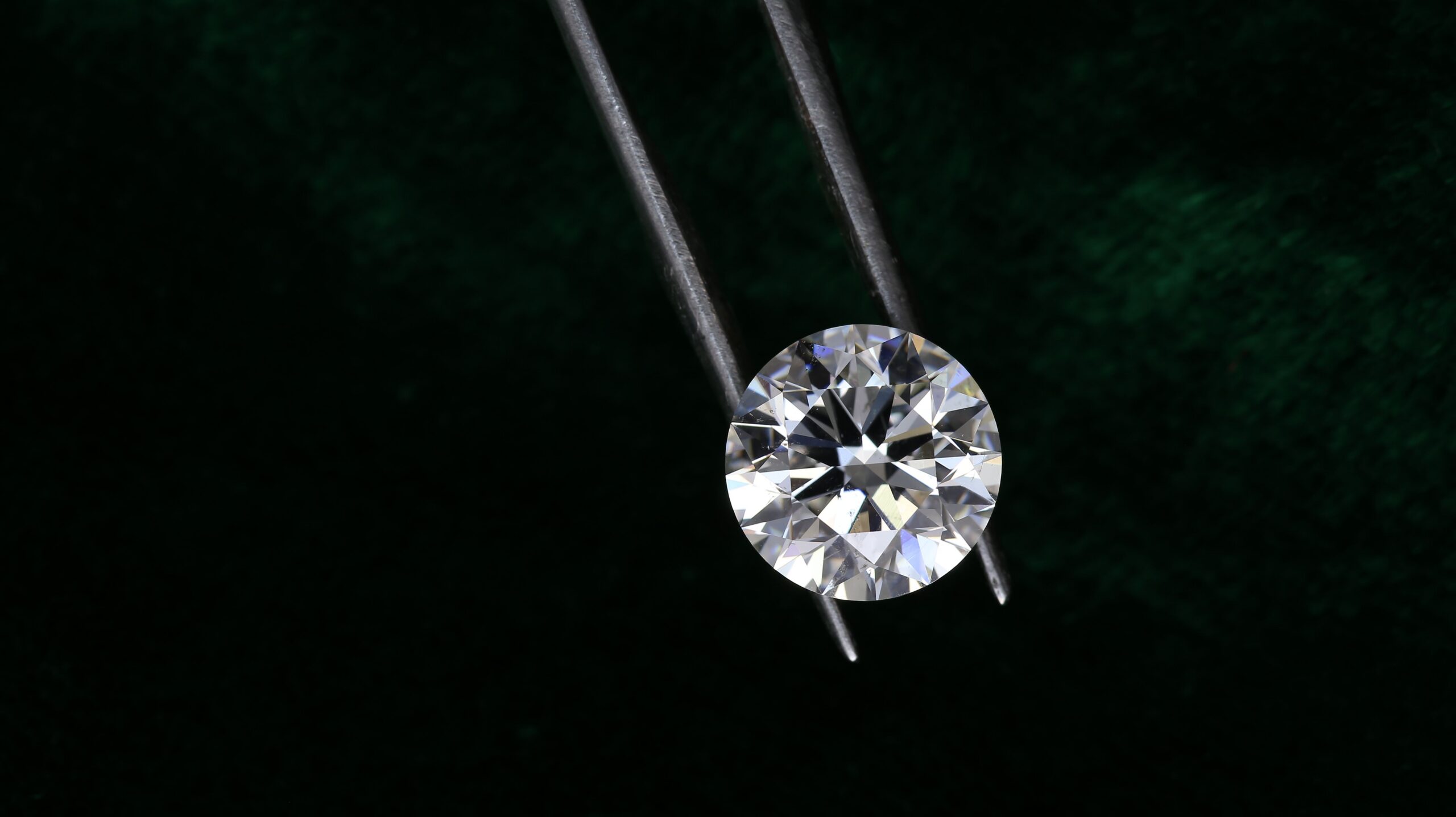
Colour treatments can be difficult or impossible to confirm by unaided viewing. GIA states that advanced testing is required as treatment science becomes more sophisticated. A photograph, colour name or seller’s assurance cannot substitute for a suitable laboratory conclusion.
How treatment appears in reports and paperwork
GIA says every diamond it grades is examined for known treatments. Its current treatment information distinguishes stable processes—such as irradiation, annealing, laser drilling and HPHT treatment—from nonpermanent or unstable treatments such as coating and fracture filling. GIA will report the former, while it does not issue grading reports for diamonds with the latter treatments.
That policy creates an important practical distinction. A laser-drilled diamond may have a GIA report with the drill hole shown in the inclusions plot. A fracture-filled diamond should not be represented as having a current GIA diamond grading report for the filled condition. The absence of a particular laboratory report is not a diagnosis by itself, but a document claim that conflicts with the laboratory’s stated policy deserves clarification before purchase.
- Match the document to the stone. Compare report number, measurements and any inscription with the item being offered.
- Read treatment wording exactly. Look beyond the four headline quality grades to comments, colour-origin language, treatment notes and the inclusions plot.
- Confirm the laboratory and report type. Different services have different scopes. A report is technical information, not an appraisal or a blanket guarantee.
- Keep sales disclosure with the report. Record origin, each treatment, special care and any limitations in the invoice or written description.
- Verify rather than assume. Use the issuing laboratory’s report-check service when available and ask how the physical diamond was matched to it.
For a field-by-field explanation, read Laxmi’s separate guide to what a diamond grading report includes. That guide owns the broader report-reading intent; this article focuses only on treatment disclosure.
A practical diamond-treatment checklist
- Is the diamond natural or laboratory-grown? Get origin stated separately from any treatment.
- Has it received any treatment? Ask for each specific name rather than the umbrella phrase “enhanced”.
- What did the process change? Clarify whether it affected apparent clarity, colour, or both.
- Is the treatment stable? Ask what may change during normal wear, cleaning, repair, heat or chemical exposure.
- Which laboratory examined the stone? Request the report type and number, then verify the result with the issuing laboratory where possible.
- What must a future jeweller know? Put treatment and care information in writing so it travels with the jewellery.
- What is the comparison basis? Compare price and quality with stones of the same disclosed origin and treatment status, not with a visually similar but differently described diamond.
The US Federal Trade Commission’s consumer guidance says sellers should disclose a treatment when it is not permanent, creates special care requirements or significantly affects value. It also advises buyers to have origin, treatment and special-care details included in sales paperwork. Although local legal duties can differ, that written-information habit is useful wherever a diamond is bought.
Diamond treatment FAQ
Is a treated diamond the same as a laboratory-grown diamond?
No. “Treated” describes a process used to change the appearance of a particular diamond. “Laboratory-grown” describes origin. A natural or laboratory-grown diamond may need separate statements about any treatment.
Is an HPHT-treated diamond the same as an HPHT-grown diamond?
No. HPHT-grown means high pressure and high temperature were used to grow the diamond. HPHT-treated means pressure and heat were later used to alter colour. Ask the seller and report to state which meaning applies.
Can I see diamond treatment with the naked eye?
Not reliably. Some features may be visible to a trained observer under magnification, but GIA notes that sophisticated treatments can require advanced laboratory testing. Appearance alone is not proof.
Can a fracture-filled diamond go in an ultrasonic cleaner?
Do not assume so. GIA states that ultrasonic solutions, steam, acid and common repair procedures can damage fracture filling. Follow written, treatment-specific guidance and tell the jeweller before cleaning.
Does GIA grade fracture-filled diamonds?
GIA’s current policy says it does not issue grading reports for diamonds with nonpermanent or unstable treatments such as fracture filling or coating.
Is laser drilling permanent?
The drill channel is permanent because it cannot be removed. A laser-drilled stone can also be fracture-filled, however, so the full disclosure matters for care and report interpretation.
Is irradiation stable in a diamond?
GIA describes irradiated colour as stable to regular wear, but warns that irradiated diamonds may be sensitive to repair heat. Disclose the treatment before workshop work.
Authoritative sources
- GIA 4Cs: Understanding diamond treatments
- GIA: What treatments does GIA test for?
- US Federal Trade Commission: Buying gemstones, diamonds and pearls
These source pages were rechecked on 27 October 2026. Laboratory policies and treatment-detection methods can change, so verify the current report scope and item-specific care guidance.
Compare diamonds with the complete description
Keep origin, treatment, report details and care requirements as separate facts, then compare the jewellery design that suits how you intend to wear it.
