

Diamond report guide · Laxmi Jewellers Dubai
Fancy-Shape Diamond Cut Grades: Why GIA and IGI Reports Differ
Learn why a fancy-shape GIA report may have no overall cut grade while an IGI report can show one, and how to combine either document with a disciplined face-up inspection.
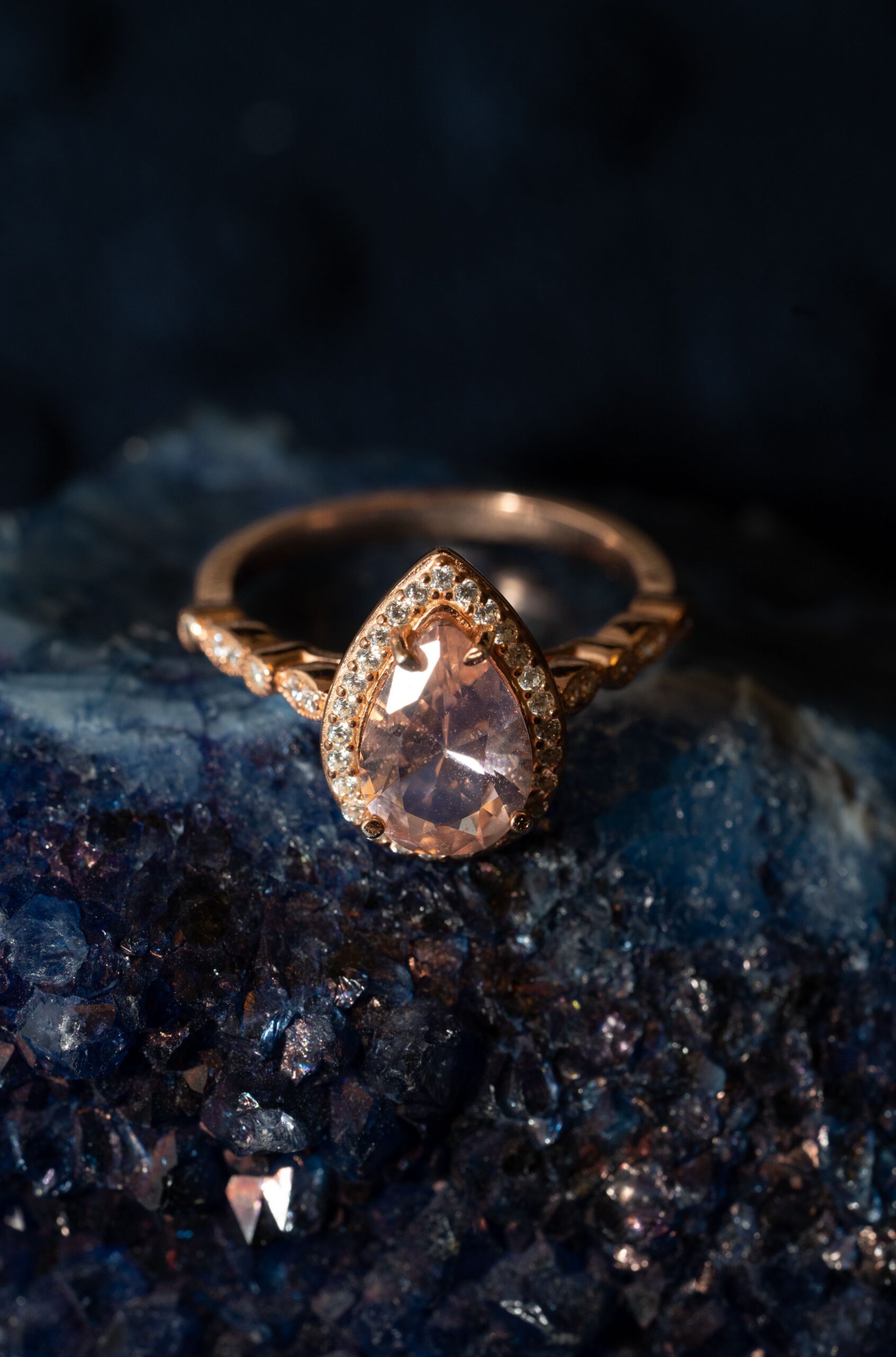
A blank cut-grade field on a GIA report for an oval, pear, marquise, cushion, emerald or princess-cut diamond is not a missing grade and does not mean the diamond was judged poorly. GIA currently limits its official overall cut grade to standard round brilliant diamonds in the D-to-Z colour range. IGI uses a different service and methodology: its current process offers an optional overall cut grade for fancy shapes after assessing finish, proportion qualifications, shape-specific craftsmanship and light return.
GIA and IGI reports can look different because the laboratories do not apply the same overall cut-grading system to fancy shapes. Read the laboratory name, report type and date first; interpret only the fields that actually appear; then inspect the diamond face-up, in motion and under more than one lighting condition. A grade helps organise evidence, but it cannot tell you whether a particular outline and light pattern suit your eye.
Why two reputable reports can show different cut information
“Fancy shape” is the trade term for diamond outlines and cutting styles other than the standard round brilliant. It includes familiar outlines such as oval, pear, marquise, cushion, emerald, princess and heart. These stones do not share one standardised facet map. Even within a single outline, cutters can use different facet arrangements, pavilion structures, ratios and outline curves to create noticeably different patterns.
That variety makes an overall cut grade harder to standardise than it is for the round brilliant. GIA’s 2024 research describes more than 40 categories of fancy-shaped diamond and explains that the geometry and appearance patterns require shape-specific approaches. Its observer studies also found broad differences in preference for features such as bow-tie and crushed-ice patterns, although conspicuous dark windowing was consistently disliked.
IGI has chosen to issue an optional overall fancy-shape cut grade using its own published process. GIA continues to report other useful craftsmanship and proportion information without assigning a single overall cut grade to a fancy shape. Neither format should be “completed” by borrowing a label from the other laboratory, and a seller’s house description should not be mistaken for a laboratory field.
What GIA gives you when there is no overall fancy cut grade
GIA’s current consumer guidance states that the round brilliant is the only diamond shape receiving an official cut grade on its diamond reports. For a fancy shape, the report still describes the shape and cutting style and records measurements, polish and symmetry. Depending on the report, the proportion diagram and girdle description add further construction details.
Polish evaluates the quality and condition of facet surfaces, including polishing-related features visible at the laboratory’s examination standard. Symmetry evaluates the exactness of the outline and the shape, placement and alignment of facets. Both are meaningful craftsmanship grades, but neither is a substitute for an overall assessment of face-up light behaviour.
Measurements help you identify the stone and understand its spread and outline. They do not by themselves predict whether the centre will look bright, whether contrast will remain balanced as the stone moves, or whether a particular elongated outline will appeal to you. A length-to-width calculation is especially easy to over-read; the dedicated diamond length-to-width ratio guide explains what that number changes and what it cannot establish.
No overall grade is not “ungraded quality”
GIA has examined and reported the diamond within the scope of its service. The absence of an overall fancy-shape cut grade reflects the laboratory’s current grading framework, not an automatic negative judgement about the stone.
Excellent finish is not the whole picture
Excellent polish and Excellent symmetry can indicate careful finishing while two diamonds still show different face-up brightness, contrast, patterning and outline appeal. View the complete stone rather than combining two fields into an unofficial cut grade.
How IGI approaches an overall fancy-shape cut grade
IGI’s current cut-grading page describes a four-step fancy-shape methodology. First, the laboratory grades polish and symmetry. Next, it checks proportion qualifications associated with positive appearance for the relevant shape. It then applies additional, shape-specific craftsmanship requirements, which may address factors such as girdle ranges and bow ties. Finally, a trained gemologist assesses fundamental light return.
IGI states that this final light-return step is not a separate grade for fire or scintillation. A fancy-shape diamond must pass the earlier stages and show Excellent light return to receive an overall Excellent cut grade. The published scale runs from Excellent to Poor, and the current grading-process page describes fancy-shape cut grading as an option.
That last word matters. Do not assume every historical or current IGI document must display the field. The service requested, report format, diamond and issue date can affect what appears. Check the actual document and verify it through IGI rather than relying on a marketplace filter or an abbreviated listing.
| Reader question | GIA fancy-shape report | IGI fancy-shape report |
|---|---|---|
| Is there one overall cut grade? | Not under GIA’s current system for fancy shapes. | May be present under IGI’s optional fancy-shape cut-grading service. |
| Are polish and symmetry reported? | Yes; they remain separate craftsmanship grades. | Yes; they are inputs within the fancy-shape assessment and appear as craftsmanship grades. |
| Are proportions the only basis? | No overall fancy-shape cut grade is derived from a proportion chart. | No. IGI says proportions alone cannot grade fancy-shape cut quality. |
| Is face-up viewing still useful? | Yes. A report cannot decide personal outline and pattern preference. | Yes. An overall grade does not make every stone within it look identical. |
| Can the labels be converted? | No simple conversion should be assumed between laboratories, report services, shapes or dates. | |
Why the grade line is not a laboratory scorecard
It is tempting to treat a report with more fields as more complete, or to interpret IGI Excellent as the missing answer on a GIA fancy-shape report. That shortcut ignores the underlying frameworks. GIA’s round-brilliant cut grade and IGI’s fancy-shape cut grade address different eligible stones through different systems. The same word is not proof that the examinations are interchangeable.
A more useful comparison begins with identity and scope. Confirm that both diamonds are the same shape and a genuinely similar cutting style. Compare carat weight only alongside millimetre measurements, because weight can be distributed differently. Read polish and symmetry as their own fields. Note girdle information and any comments. Then compare the stones themselves under the same conditions.
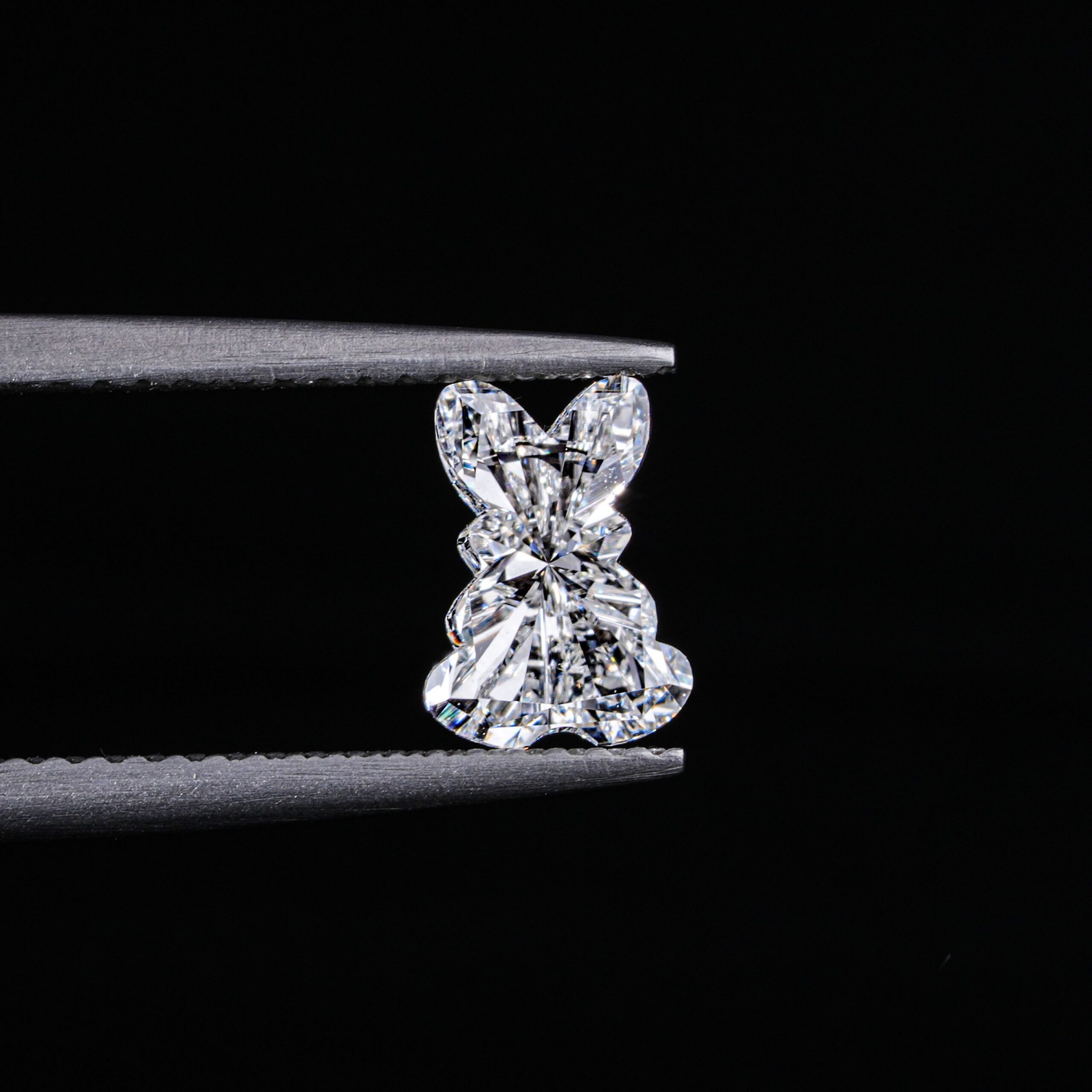
Photographs are useful for shortlisting, but camera exposure, image sharpening, background colour and a carefully chosen angle can suppress dark areas or exaggerate flashes. Ask for neutral face-up video with the diamond rocked slowly, not only a rotating glamour clip. If you are comparing loose stones, request the same background, distance and lighting. If they are mounted, remember that metal, prongs and surrounding diamonds change the visual frame.
A seven-step workflow for evaluating a fancy shape
- Verify the report. Use the issuing laboratory’s report-check service, then match the report number, shape, carat weight and measurements to the diamond and any inscription.
- Name the grading framework. Identify whether the document is GIA or IGI, its report type and issue date, and whether an overall fancy-shape cut grade is actually present.
- Read polish and symmetry separately. These fields describe finish and facet alignment. Do not average them or turn them into an invented overall cut grade.
- Review proportions without using one magic number. Measurements, table, depth and girdle information are clues. Fancy-shape appearance depends on how many variables work together, not a single preferred range.
- Check the face-up outline. Look for the curve, corners, points and length-to-width character you prefer. Outline choice is distinct from light performance and should remain a deliberate aesthetic decision.
- Observe light and dark in motion. View the stone clean, face-up and at normal distance in diffused light, mixed room light and a directional light. Rock it slowly. Look for brightness that returns across the stone, contrast that changes rather than remaining dead, and distracting transparent or persistently dark areas.
- Judge the actual ring. Examine protection at points and corners, setting alignment, profile, neighbouring stones and comfort. Then use the report and your observations together—not one label—to make the decision.
What to record before choosing the ring
Keep a short comparison note for each diamond: laboratory and report date; whether an overall cut grade appears; polish and symmetry; dimensions; the outline you see; any stable dark or transparent area; how the pattern changes in motion; and any setting concern. This prevents one bold label from displacing everything else you observed.
If two stones look different but both satisfy their respective report criteria, that is not necessarily a contradiction. Fancy shapes preserve more room for design variation and personal preference than the standard round brilliant. Choose the appearance you can describe and have examined, not merely the row with the most impressive-looking word.
When you are ready to compare how those outlines sit in complete designs, explore Laxmi Jewellers’ engagement-ring collection. The category remains the place to browse products; this guide remains a narrow reference for understanding the cut information on GIA and IGI fancy-shape reports.
Fancy-shape cut-grade FAQ
Does GIA give an oval diamond an overall cut grade?
No under GIA’s current diamond-report system. Oval is a fancy shape, so its report can show polish, symmetry, measurements and other relevant details without an overall cut grade.
Why can an IGI oval or pear report show a cut grade?
IGI offers an optional fancy-shape cut-grading service. Its published process combines polish and symmetry, proportion qualifications, shape-specific craftsmanship checks and an assessment of overall light return.
Is IGI Excellent for a fancy shape the same as GIA Excellent for a round brilliant?
No direct equivalence should be assumed. The grades apply to different eligible shapes and methodologies. Read each laboratory’s definition and assess the particular diamond rather than translating the label.
Does no GIA cut grade mean the fancy-shape diamond is poor?
No. The field is absent because GIA does not currently issue an overall cut grade for fancy shapes. It is not a hidden Poor grade or evidence that the laboratory skipped the stone.
Are Excellent polish and symmetry enough to prove excellent light performance?
No. They are important finish and craftsmanship assessments, but a fancy shape can have excellent polish and symmetry while showing a face-up pattern that differs from another stone or from your preference.
Can table percentage and depth percentage predict the best fancy shape?
Not by themselves. GIA’s research explains that fancy-shape geometry and patterning involve more variables than a simple proportion chart captures. Use the numbers as evidence, then inspect the complete face-up appearance.
Should I choose the report first or view the diamond first?
Use both in sequence: verify the report and its scope, shortlist stones with appropriate specifications, then compare the actual diamonds consistently in person or through neutral video. Neither the document nor a glamour image should stand alone.
Authoritative sources
- GIA 4Cs: GIA Diamond Cut Grade—Six Things You Need to Know
- GIA Gems & Gemology: Observations of Oval-, Pear- and Marquise-Shaped Diamonds
- IGI: Diamond Cut Grading
- IGI: Fancy Shape Cut Grading Guidelines
Source pages were reviewed on 27 October 2026. Laboratory services and report formats can change; verify the individual report and the issuer’s current guidance before relying on any field.
Compare the report, then compare the diamond
Bring the laboratory document and view shortlisted fancy shapes under the same conditions. Ask which report fields apply, what you are seeing face-up and how the setting protects the chosen outline.
