
Dubai Strengthens Lab-Grown Diamond Market as UAE Trade Reaches Record High
Dubai Strengthens Its Lab-Grown Diamond Sector as UAE Trade Reaches Record Levels
DMCC has established a dedicated lab-grown diamond vertical as the UAE records unprecedented trade volumes, reinforcing Dubai’s growing role in the international market for laboratory-grown diamonds, jewellery and advanced diamond technology.
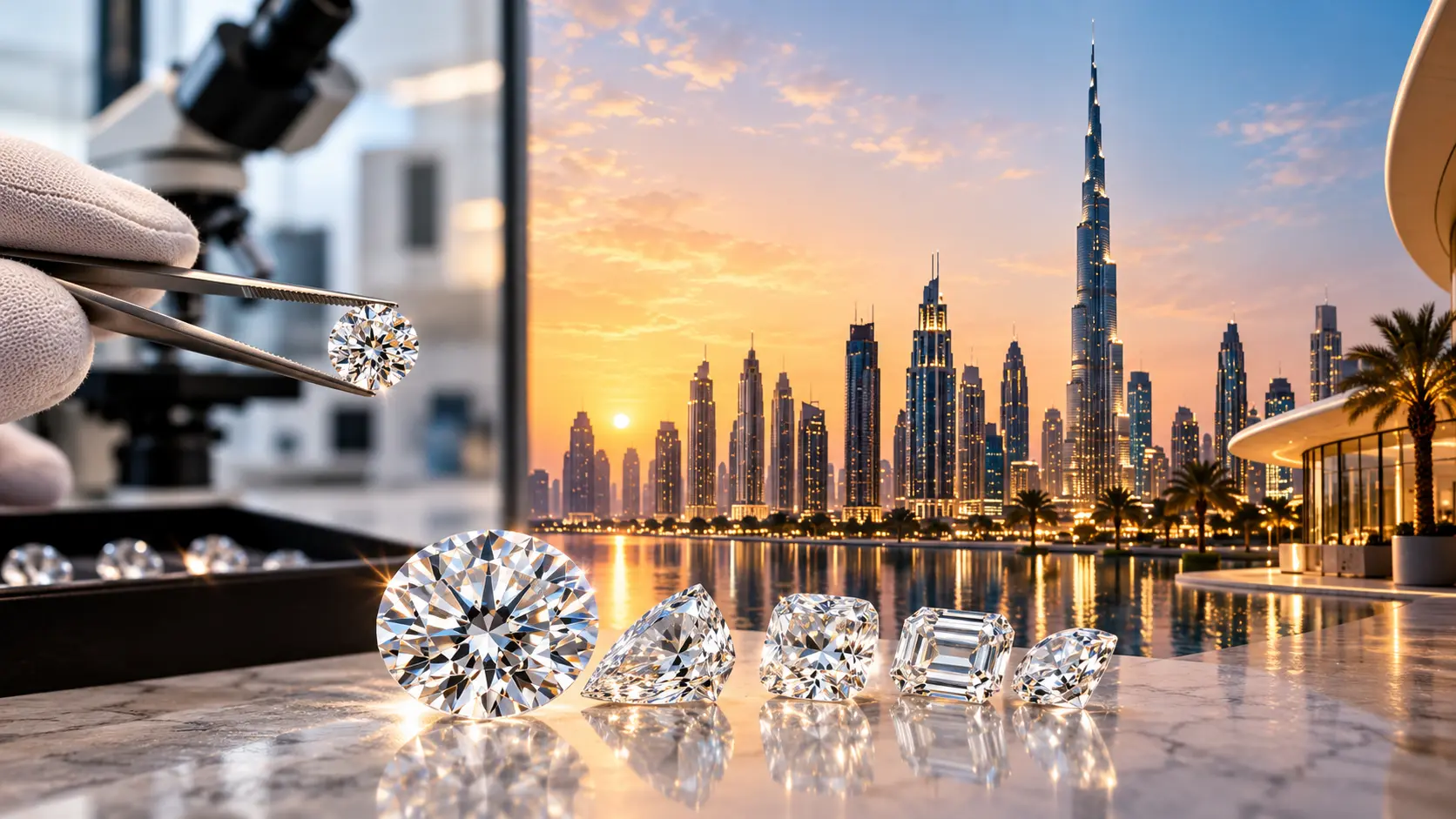
Dubai’s lab-grown diamond industry has entered a new stage of development following the establishment of a dedicated sector by the Dubai Multi Commodities Centre (DMCC), a move that reflects the rapid expansion of laboratory-grown diamond trade across the UAE.
The development arrives at a time when lab-grown diamonds are becoming an increasingly established part of the international diamond market. What was once viewed primarily as an alternative jewellery category is now developing into a significant industry with its own supply chains, manufacturing technologies, commercial structures and applications beyond jewellery.
For Dubai, the announcement is particularly significant. The emirate already occupies an important position in the global trade of diamonds, gold and luxury goods, and the creation of a specialised lab-grown diamond vertical provides the sector with a clearer identity alongside the established natural-diamond market.
A Record Year for Lab-Grown Diamond Trade in the UAE
According to figures released by DMCC, the United Arab Emirates traded 76.9 million carats of lab-grown diamonds in 2025, representing an increase of approximately 91.5% compared with the previous year. The value of that trade reached approximately USD 1.3 billion.
The longer-term trend is equally notable. DMCC reported that volumes have increased by around 109% since 2022, when UAE lab-grown diamond trade stood at approximately 36.8 million carats.
This growth appears to be distributed across broader trade flows rather than being concentrated solely in one area. Imports and re-exports have both expanded, suggesting that the UAE is developing its role across several parts of the lab-grown diamond supply chain.
For Dubai’s jewellery sector, those figures illustrate how quickly laboratory-grown diamonds are moving into a more established commercial category. The scale of the market now requires infrastructure capable of serving manufacturers, traders, technology businesses, jewellery companies, investors and international buyers.
Why DMCC Has Created a Dedicated Lab-Grown Diamond Vertical
One of the most important elements of the announcement is the decision to treat lab-grown diamonds as a sector with its own commercial characteristics rather than simply placing them within the traditional diamond category.
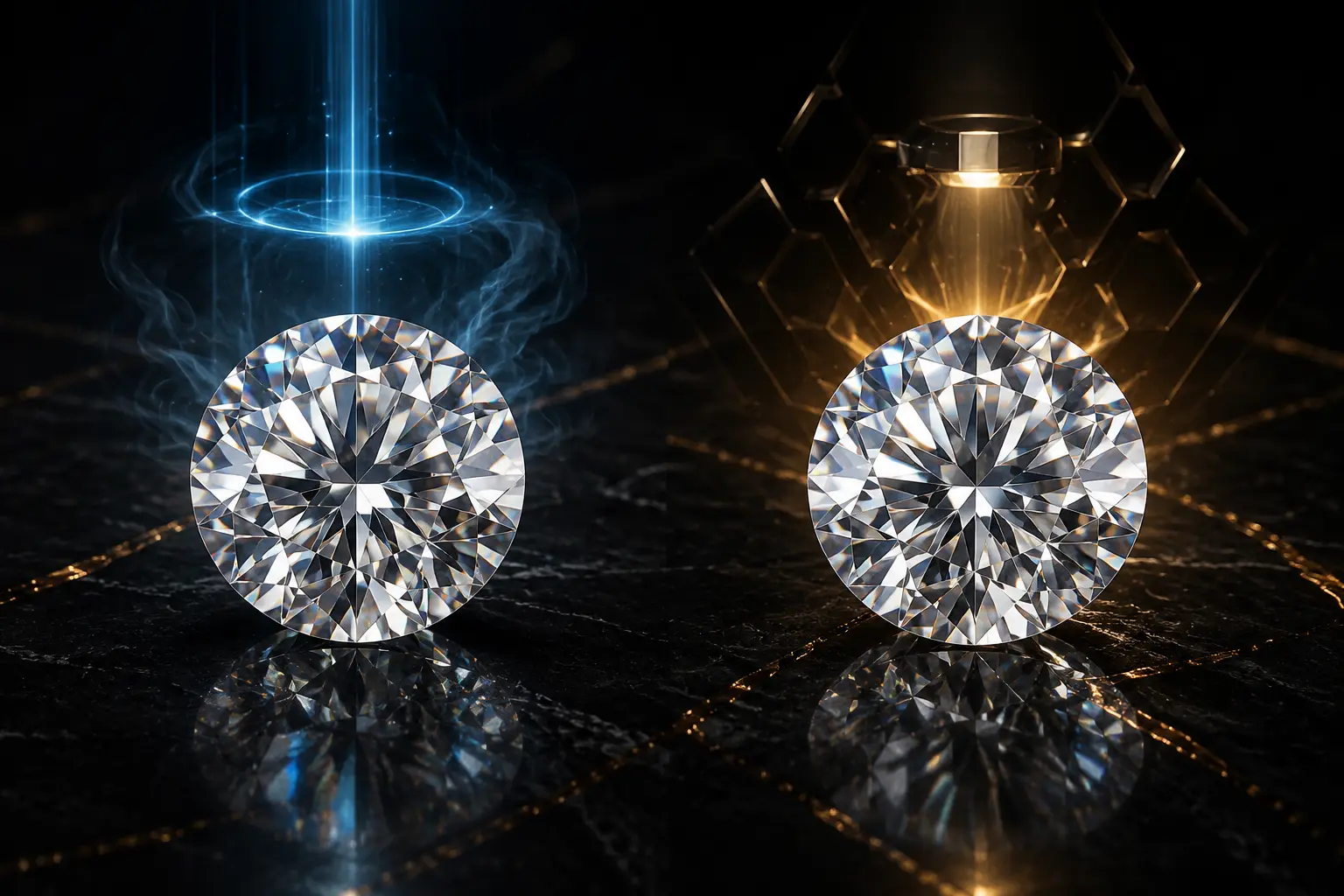
Natural and laboratory-grown diamonds can share many physical, optical and chemical characteristics, but the economics behind their production and supply are very different.
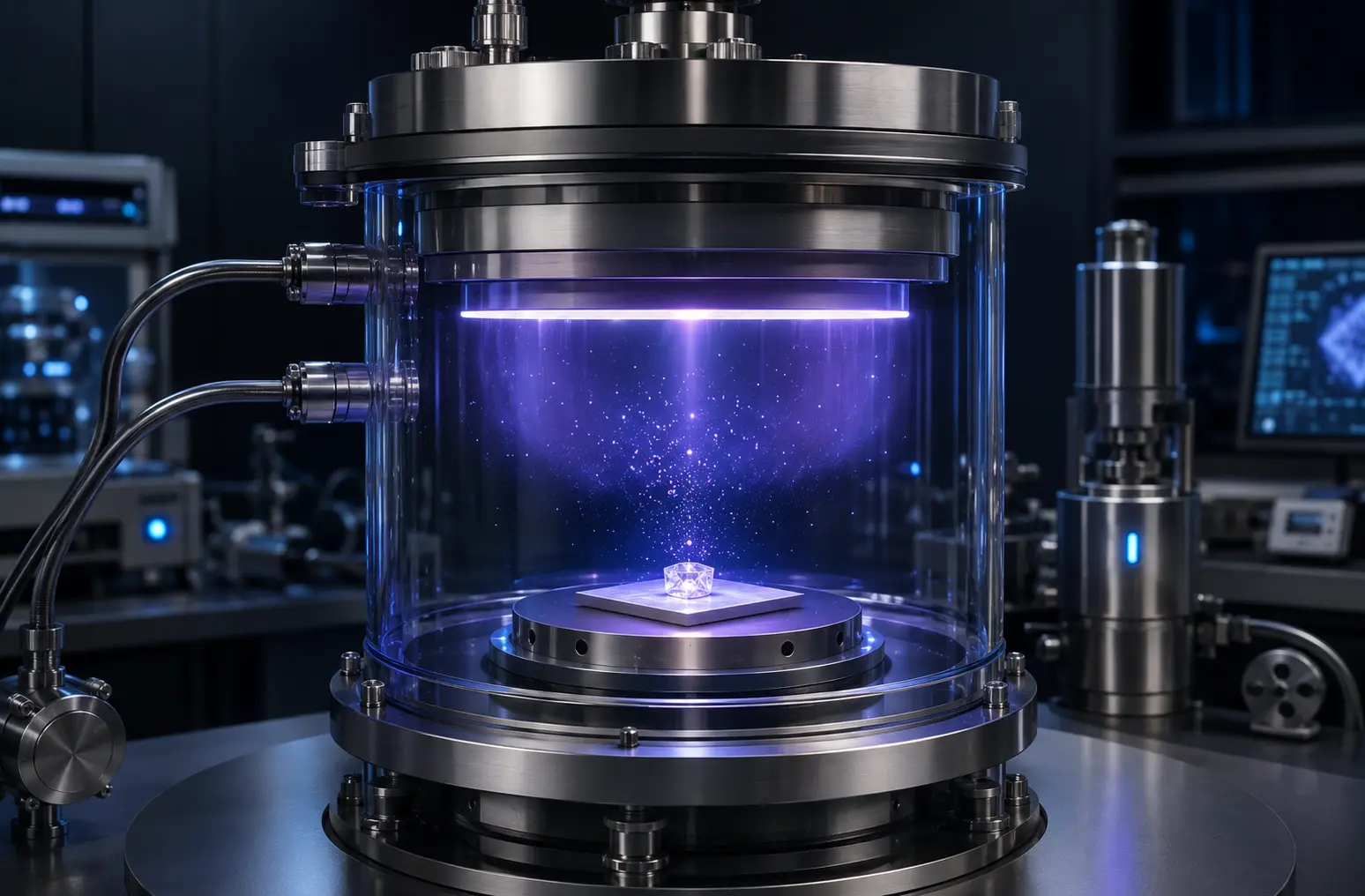
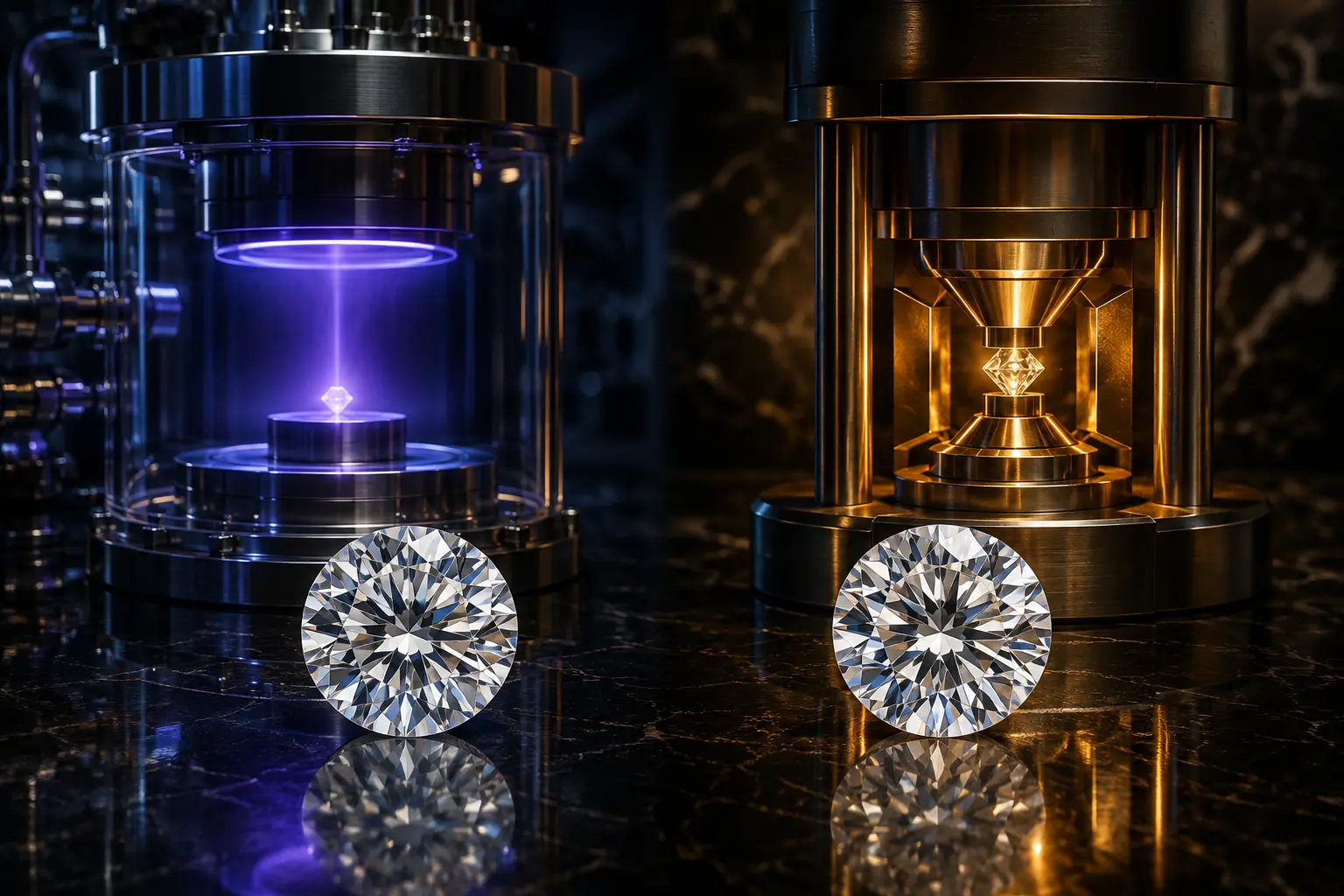
Natural diamonds are geological materials formed over immense periods of time and extracted from finite deposits. Lab-grown diamonds, by contrast, are created through controlled technological processes such as CVD and HPHT. Production can therefore be expanded, refined and influenced by advances in manufacturing technology.
These differences affect pricing, production capacity, availability, technical specifications and how each category functions commercially.
The creation of a separate sector signals that lab-grown diamonds are no longer being treated simply as a new product within the traditional diamond trade. They are becoming an industry with their own technology, economics and global market.
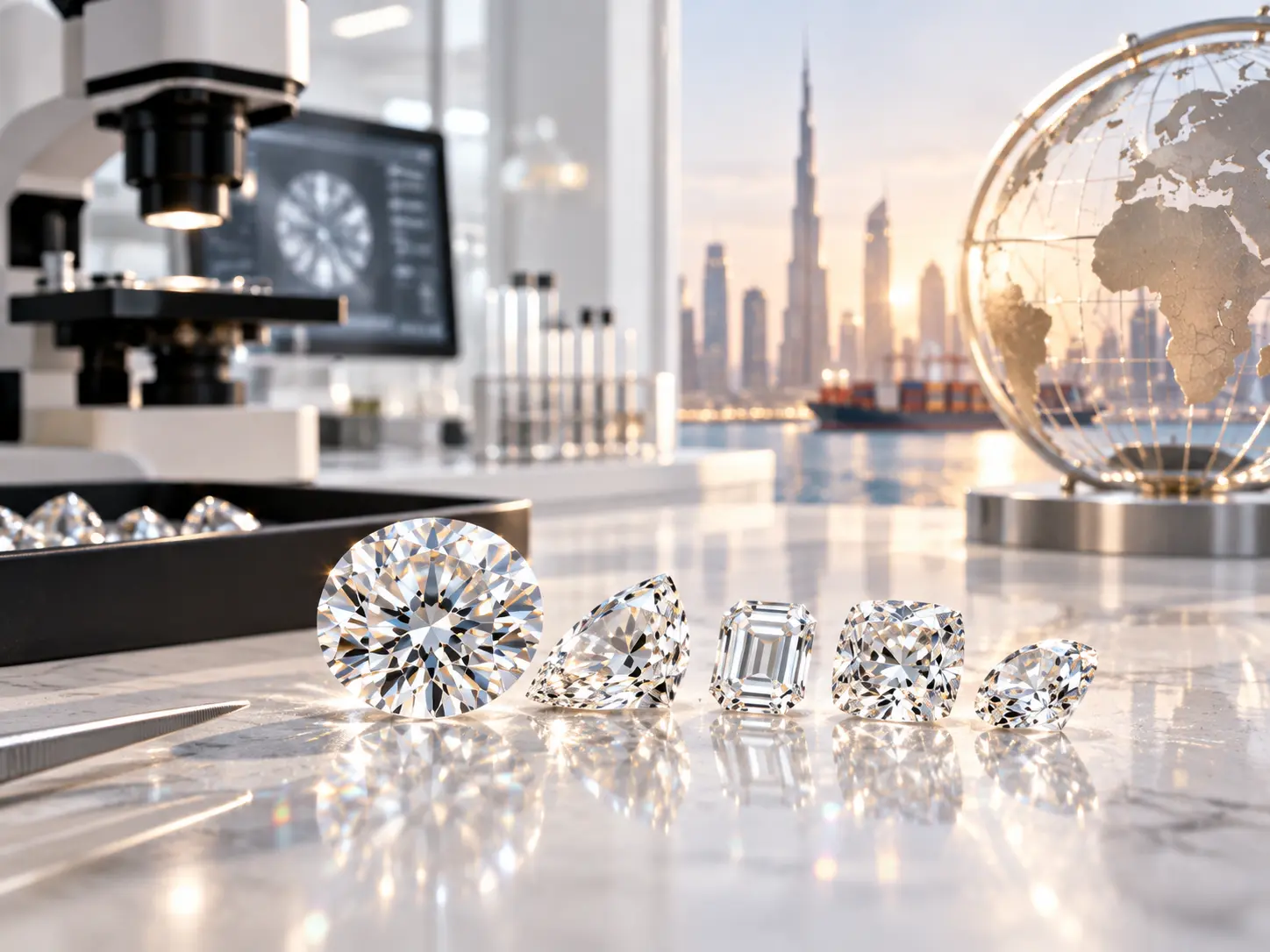
Jewellery Is Only Part of the Lab-Grown Diamond Story
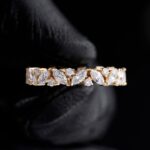
Consumer jewellery remains one of the most visible markets for laboratory-grown diamonds, particularly in engagement rings, eternity rings, tennis jewellery, earrings and bespoke designs.
However, DMCC’s new vertical also reflects the growing importance of lab-grown diamonds in technical and industrial fields.
Because diamond offers exceptional hardness, heat conductivity and other specialist properties, laboratory-grown material can be produced to meet precise technical specifications that are useful outside jewellery.
Areas highlighted as part of the developing market include:
- Semiconductor and advanced electronics applications
- Diamond wafers and precision-manufactured materials
- Quantum technology and specialist research
- High-performance industrial applications
- Space and advanced engineering technologies
- Fine jewellery and consumer diamond products
The combination of jewellery demand and industrial use helps explain why DMCC is creating infrastructure capable of connecting a much wider group of organisations, including producers, manufacturers, traders, technology firms, financial institutions, investors and industrial users.
What the Development Means for Dubai’s Jewellery Market
Dubai has long benefited from its position between major diamond-producing, manufacturing and consumer markets. Its infrastructure, international connectivity and established jewellery sector allow businesses to serve customers from the Middle East as well as Europe, Asia, Africa and other global markets.
A specialised lab-grown diamond ecosystem could further strengthen this position by creating greater separation and transparency between natural and laboratory-grown products while supporting the requirements of a rapidly expanding market.
For jewellery buyers, the development is also an indication that lab-grown diamonds are becoming a more mature part of the UAE’s luxury market.
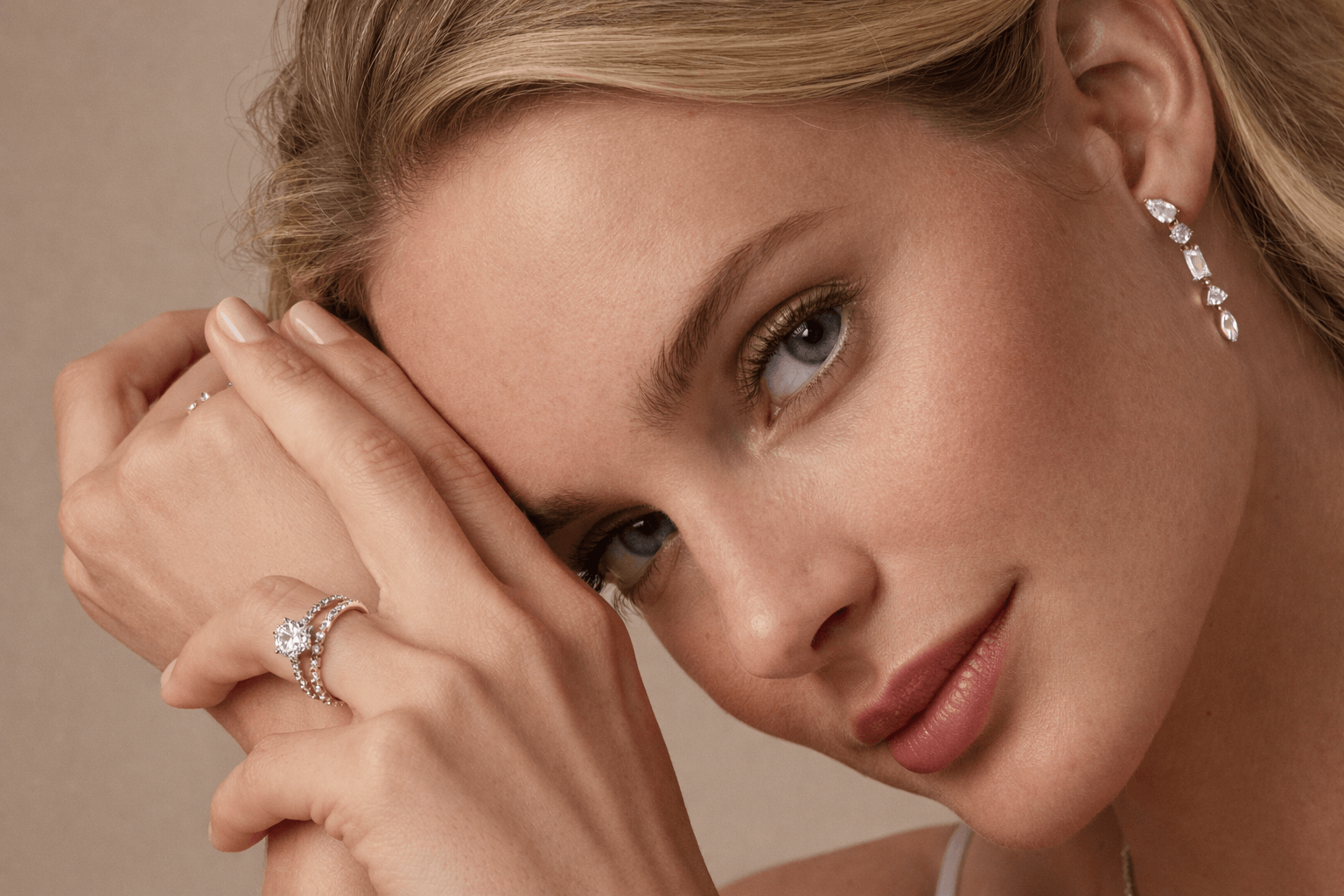
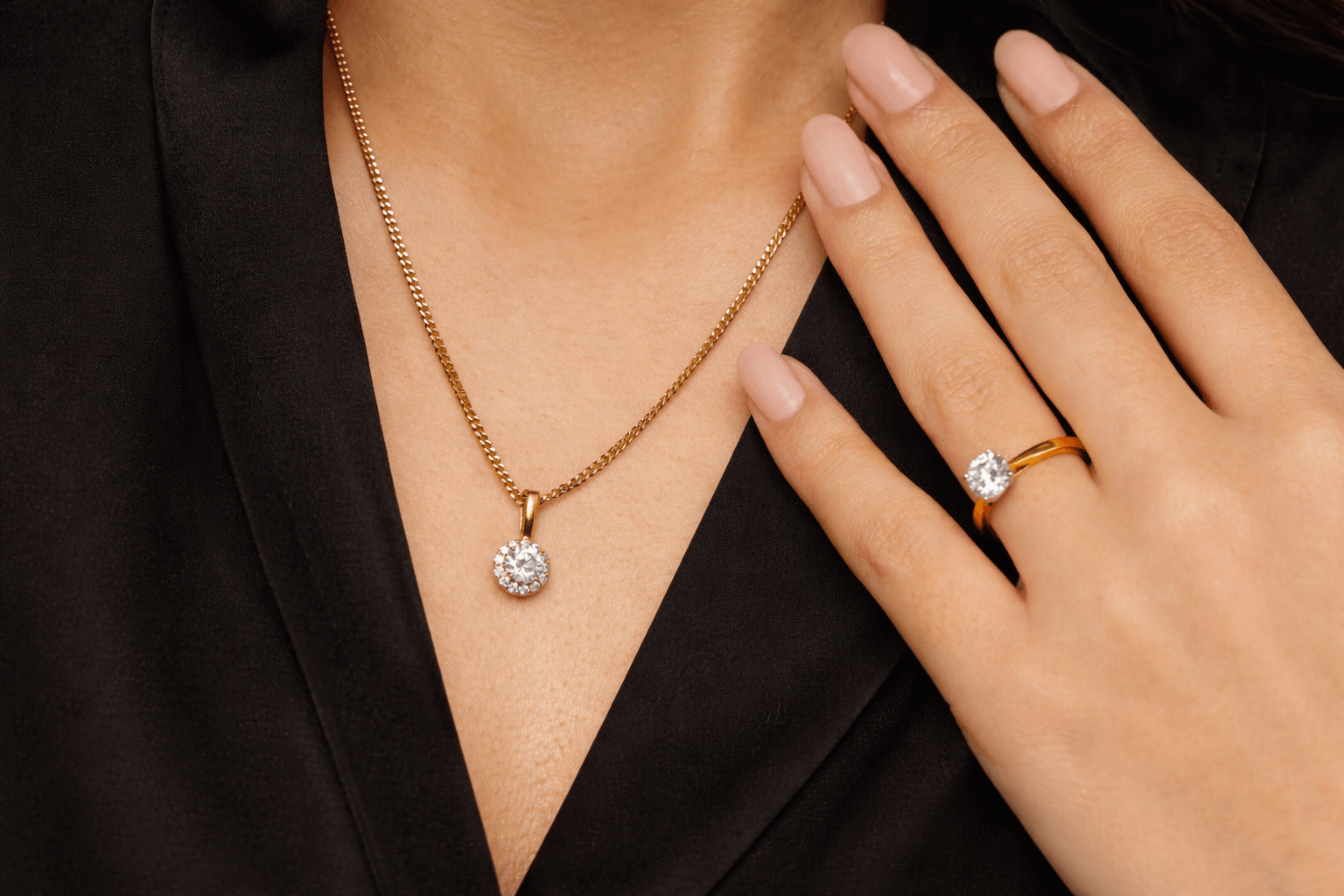
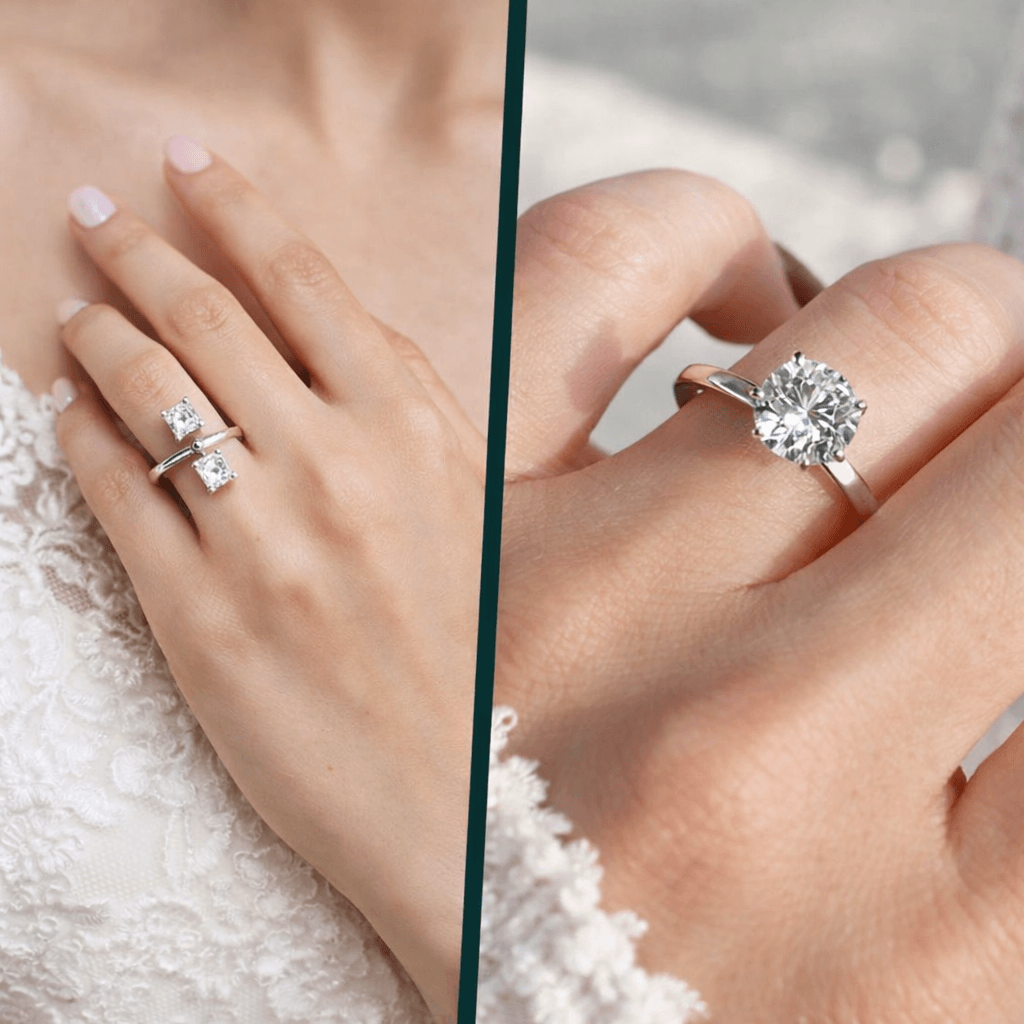
Buyers searching for lab-grown diamond jewellery in Dubai now have access to a much broader market than existed only a few years ago. Engagement rings, diamond earrings, necklaces, bracelets, eternity bands and bespoke designs can all be created using laboratory-grown stones across a wide range of carat weights and specifications.
Greater Choice Makes Diamond Education More Important
Rapid growth does not mean that every lab-grown diamond offers identical quality. As the number of stones entering the market increases, understanding diamond characteristics becomes even more important.
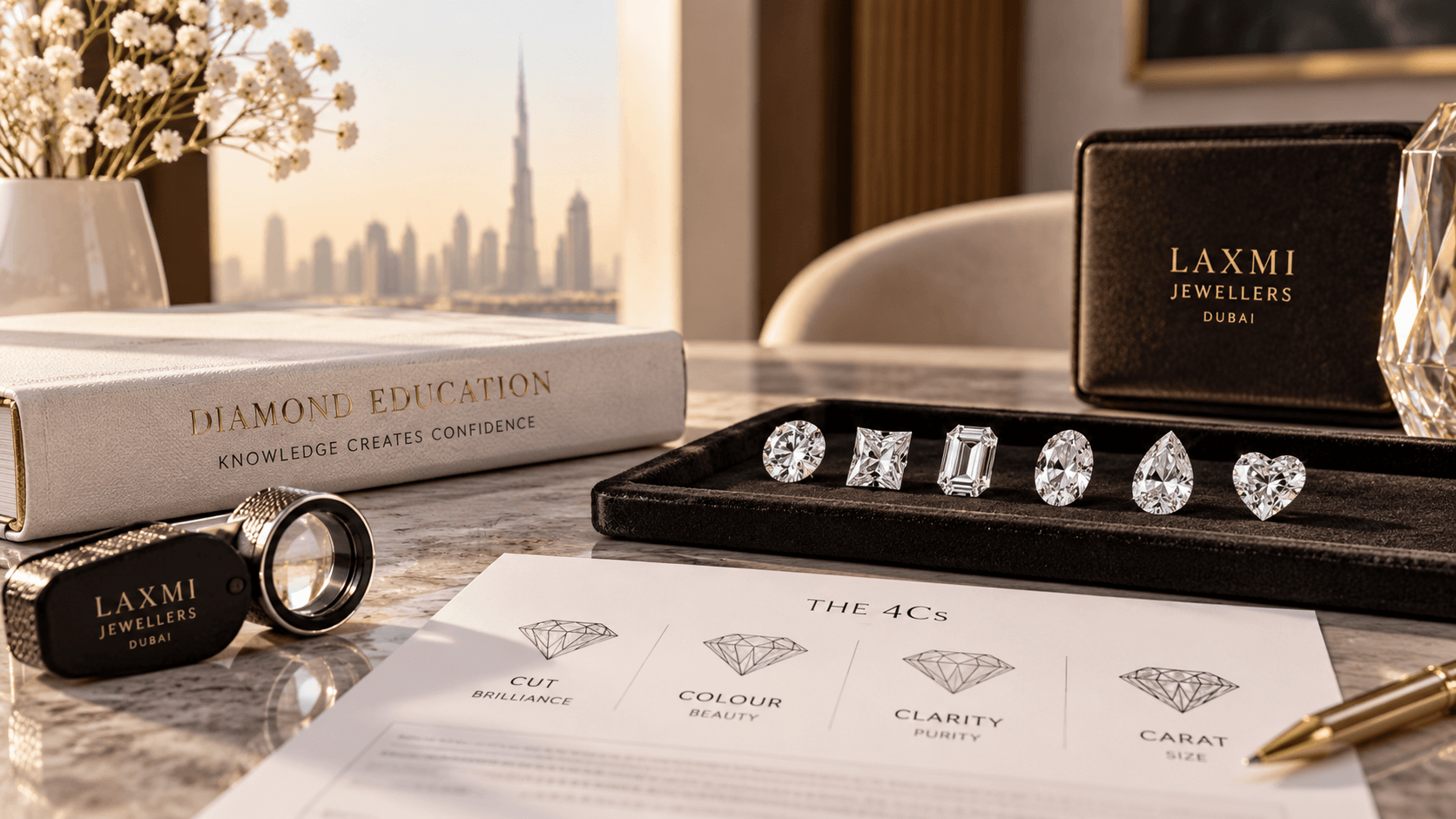
Buyers should still evaluate the traditional quality factors that influence a diamond’s appearance:
- Cut: one of the most important factors influencing brilliance, light return and overall appearance.
- Colour: determines how colourless or warm a diamond appears.
- Clarity: describes internal and external characteristics that may be visible under magnification or, in some cases, to the eye.
- Carat: measures diamond weight rather than simply its visual size.
- Proportions: influence how large, bright and balanced a diamond appears once set into jewellery.
- Certification: provides independent information about the characteristics of a diamond.
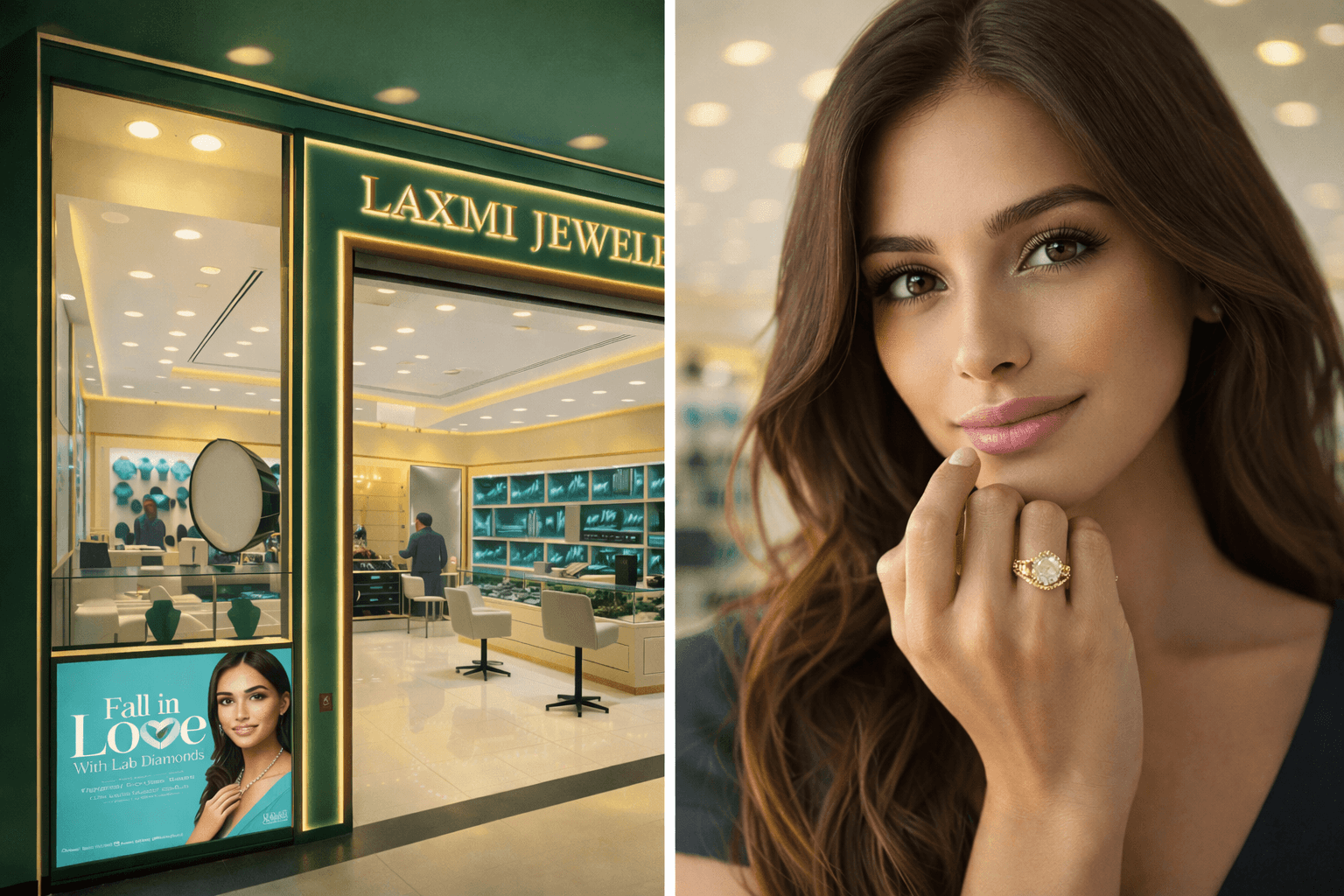
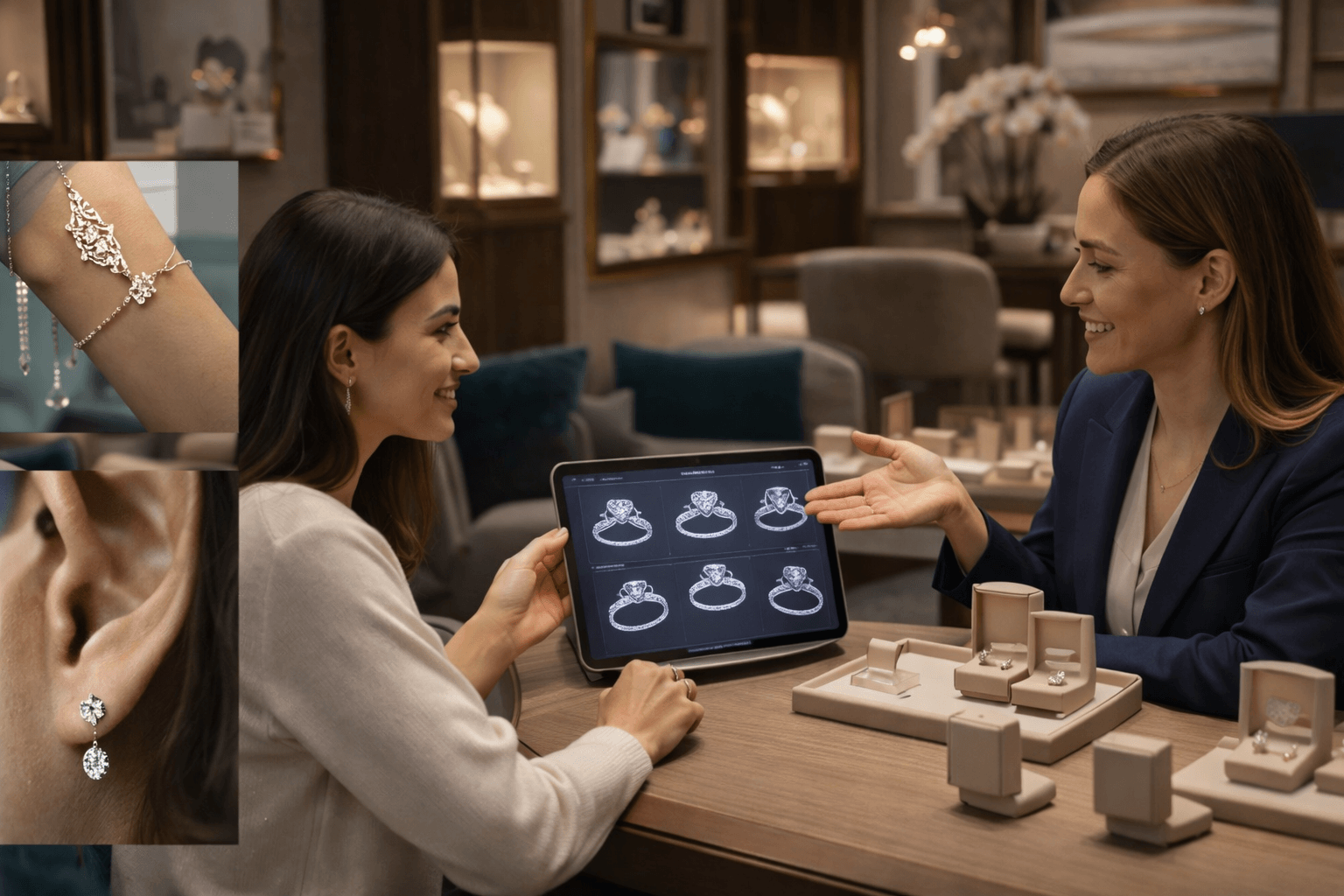
At Laxmi Jewellers, customers looking for important centre stones or bespoke pieces can compare diamond specifications carefully rather than selecting solely by carat weight.
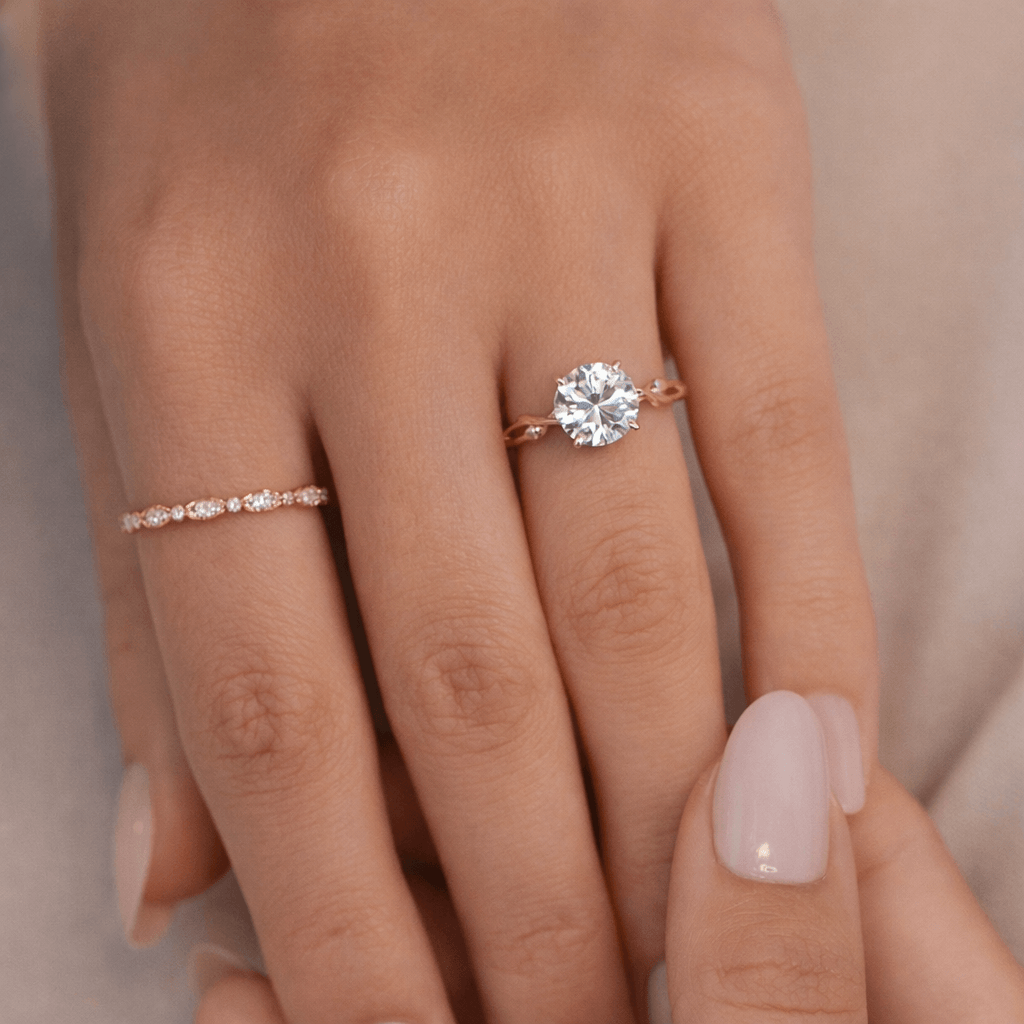
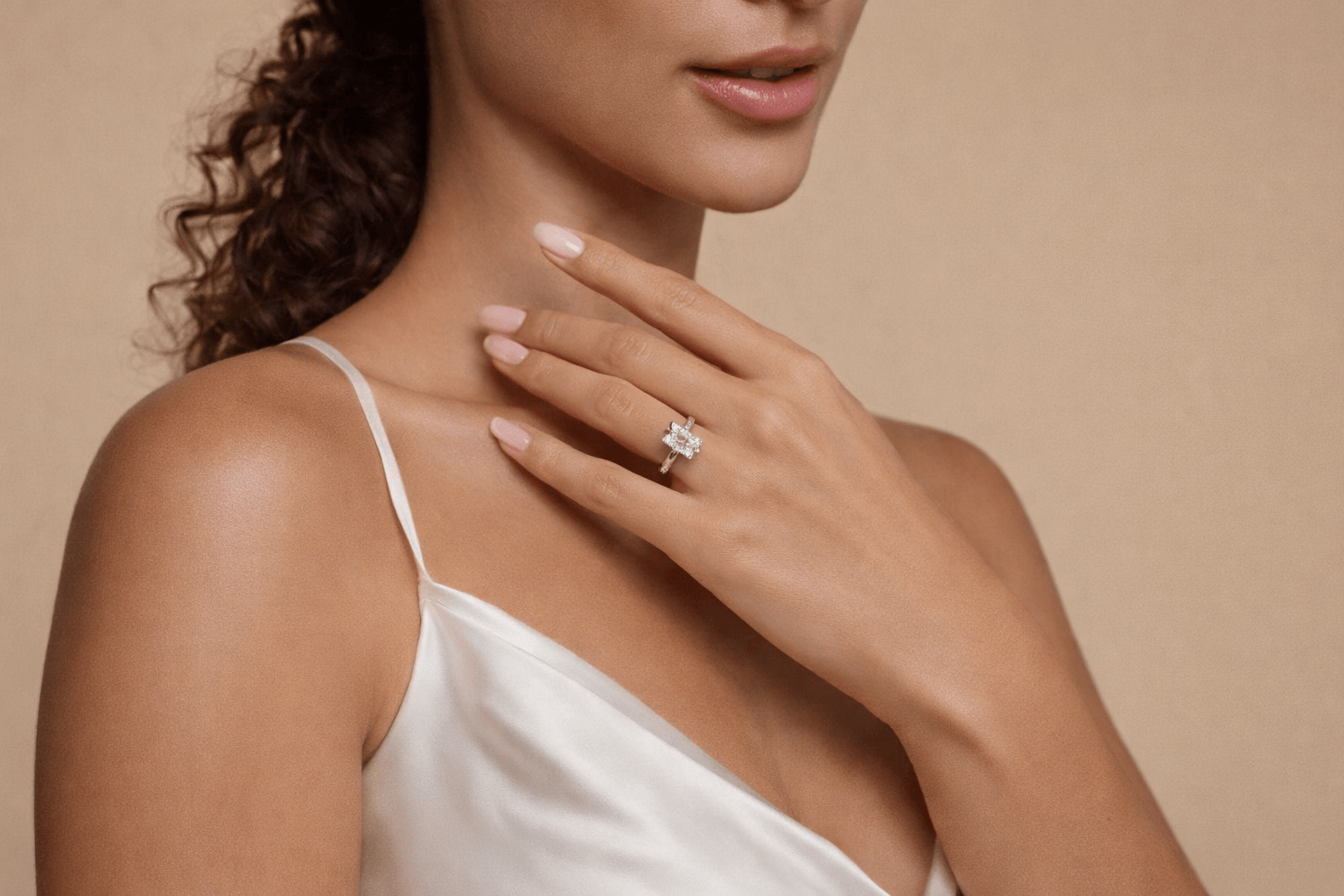
Buyers considering an engagement ring can also explore the lab-grown diamond engagement ring collection to compare different cuts, sizes, settings and gold options.
Certification and Transparency Will Remain Central
As natural and laboratory-grown diamonds continue to exist side by side, clear disclosure becomes essential.
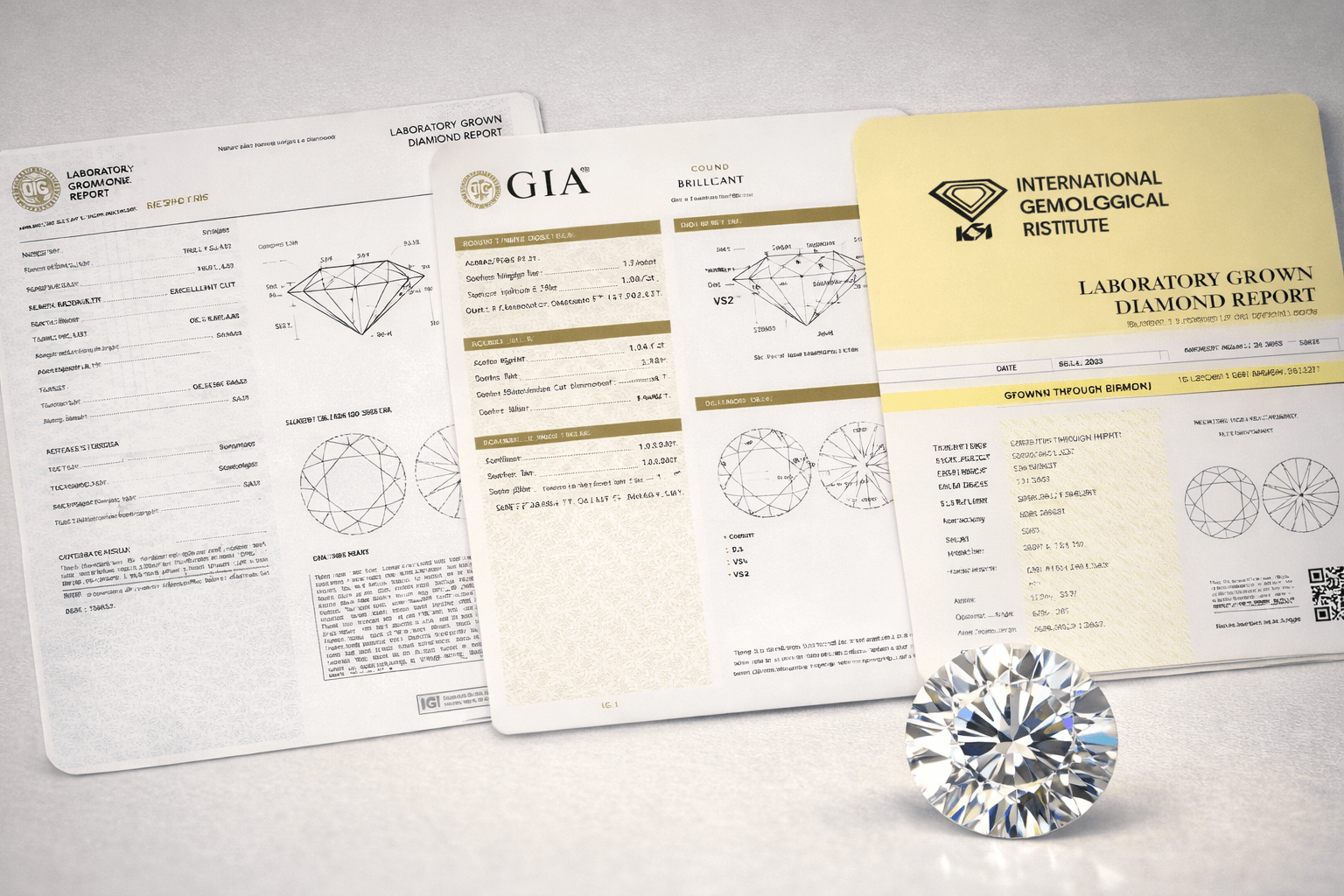
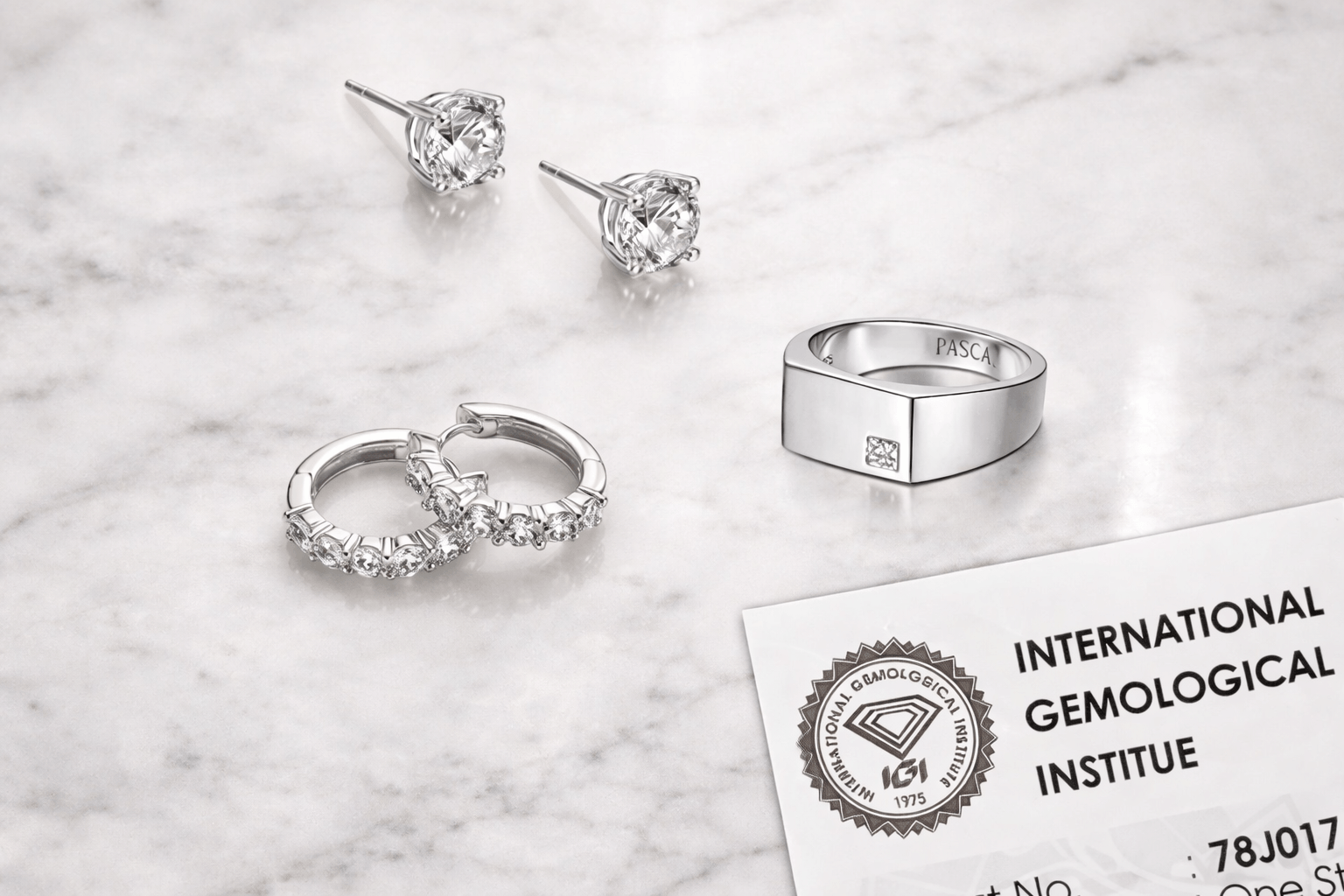
Customers should know whether the diamond they are considering is natural or laboratory-grown, and important diamonds should be accompanied by appropriate documentation from a recognised grading laboratory where applicable.
Independent grading reports help buyers understand characteristics such as carat weight, colour, clarity, measurements and other relevant information before making a purchase.
This is particularly important in a market such as Dubai, where jewellery buyers range from local residents to international visitors and customers shopping remotely from overseas.
Clear documentation and specialist guidance can therefore play an important role in maintaining confidence as the laboratory-grown diamond category becomes larger and more diverse.
Lab-Grown and Natural Diamonds Are Developing as Distinct Markets
The establishment of a dedicated lab-grown diamond vertical should not necessarily be interpreted as one type of diamond replacing another.
Instead, the market is increasingly offering consumers two distinct propositions.
Natural diamonds may continue to attract buyers who place particular importance on geological origin, natural rarity, provenance and traditional concepts of luxury.
Laboratory-grown diamonds can appeal to buyers who prioritise design flexibility, larger carat weights, modern manufacturing, certified specifications and the ability to allocate more of their jewellery budget towards design or diamond size.
The decision by DMCC to give laboratory-grown diamonds dedicated infrastructure effectively recognises that these markets can develop alongside one another while following different economic models.
What Does This Mean for Someone Buying a Lab-Grown Diamond in Dubai?
For the individual customer, the new DMCC structure does not change the fundamental process of choosing a diamond. What it does provide is further evidence that the laboratory-grown sector has become an important part of Dubai’s wider diamond economy.
Consumers may therefore benefit from increasing choice, new jewellery designs and continued improvements in manufacturing technology.
At the same time, greater supply makes careful comparison essential.
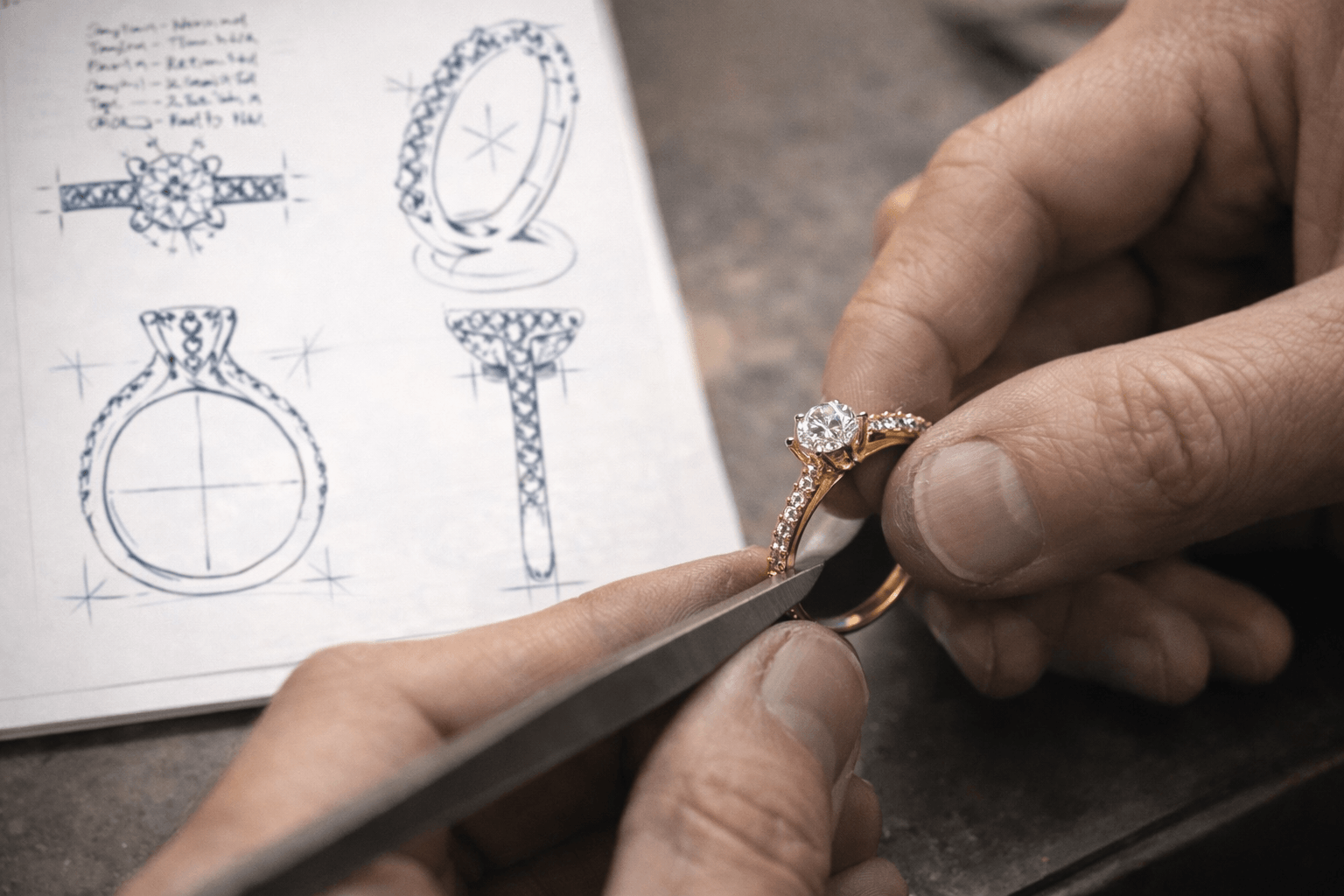
Instead of focusing only on the largest available carat weight, buyers should consider the complete piece: diamond quality, proportions, certification, precious metal, setting construction, craftsmanship and whether the design suits how the jewellery will actually be worn.
For buyers who would like a deeper explanation of this approach, our guide on choosing a trusted lab diamond specialist in Dubai explains why certification, transparent guidance and craftsmanship matter when comparing diamonds.
Dubai’s Position in the Future of Lab-Grown Diamonds
DMCC’s decision is important because Dubai is not approaching lab-grown diamonds solely from the perspective of retail jewellery.
By bringing together manufacturing, trade, investment, technology, financial services and industrial applications, the emirate is positioning itself to participate across a broader section of the laboratory-grown diamond economy.
This could become increasingly relevant as diamond-growing technology improves and producers develop more specialised materials for both luxury and technical markets.
Dubai’s role as an international trading centre means developments within the UAE may also influence how lab-grown diamonds are distributed, financed, graded and marketed across other regions.
What Laxmi Jewellers Is Watching Next
The pace of development in the laboratory-grown diamond market means the next stage is likely to be defined not simply by increasing production, but by stronger differentiation between quality levels, manufacturing standards, certification, jewellery design and specialist applications.
For consumers, this makes trusted guidance increasingly valuable.
A lower price or larger diamond does not automatically make one stone the better choice. Two diamonds of the same carat weight can appear noticeably different because of cut quality, proportions, colour, clarity and how they interact with the chosen jewellery setting.
Customers should therefore compare diamonds on their complete characteristics and select jewellery that balances beauty, quality, durability and budget.
Laxmi Jewellers will continue following developments within Dubai’s diamond industry while helping customers understand how changes in technology, certification and market structure affect real jewellery-buying decisions.
A Significant Moment for the UAE Diamond Industry
The creation of DMCC’s dedicated lab-grown diamond vertical marks another important milestone in the development of the UAE’s diamond sector.
Record trade volumes demonstrate that laboratory-grown diamonds have moved well beyond the experimental stage of the market. They now form part of a substantial international industry spanning jewellery, advanced manufacturing, technology and investment.
For Dubai jewellery buyers, the development reinforces something already visible in stores and online: lab-grown diamonds are becoming an established part of modern fine jewellery.
As the sector expands, however, informed buying will remain essential. Certification, transparent disclosure, diamond quality and jewellery craftsmanship will continue to determine whether a piece offers genuine value.
Those interested in seeing how broader market developments are changing consumer choices can also read our recent analysis, Lab-Grown Diamonds Are Reshaping the Jewellery Market: What Dubai Buyers Should Know .
Primary industry source: Dubai Multi Commodities Centre — DMCC Establishes Lab-Grown Diamond Vertical
Additional industry coverage: Rapaport — Dubai Launches Lab-Grown Diamond Division as Trade Surges
This article has been independently written and interpreted by Laxmi Jewellers for customers following developments in Dubai’s diamond and jewellery market.
Discover Lab-Grown Diamond Jewellery Crafted Around You
Explore certified lab-grown diamonds, engagement rings and bespoke fine jewellery, with specialist guidance from selection through to final craftsmanship.
Explore Our Jewellery