
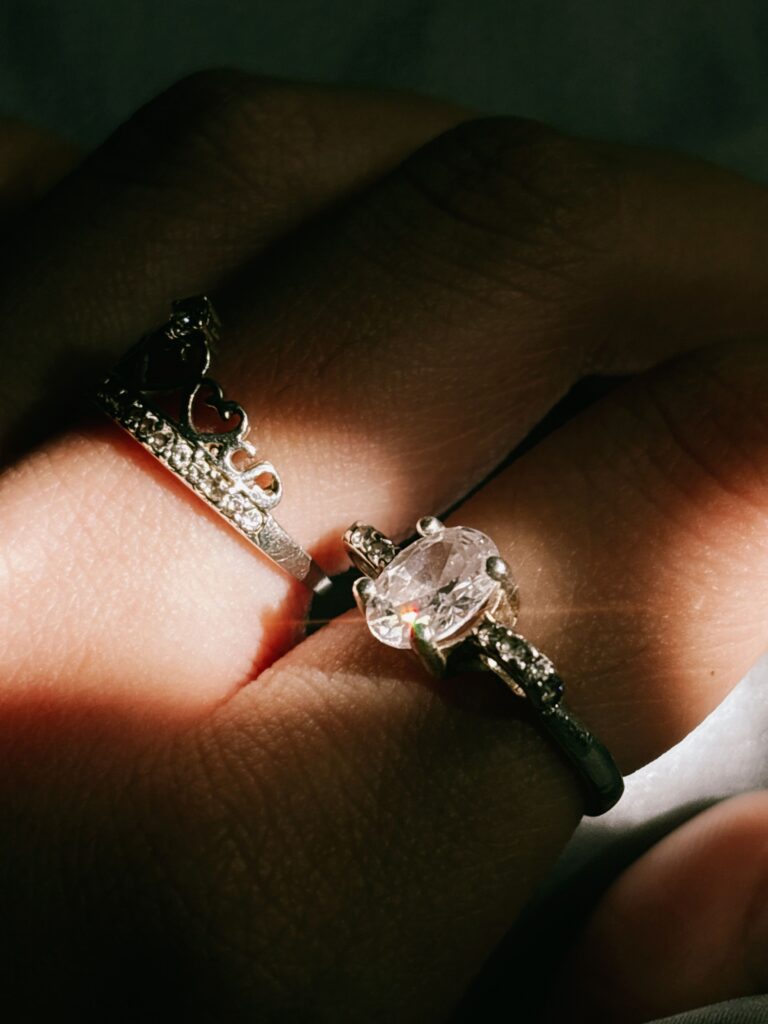
Diamond Hardness vs Toughness: Why the Hardest Gem Can Still Chip
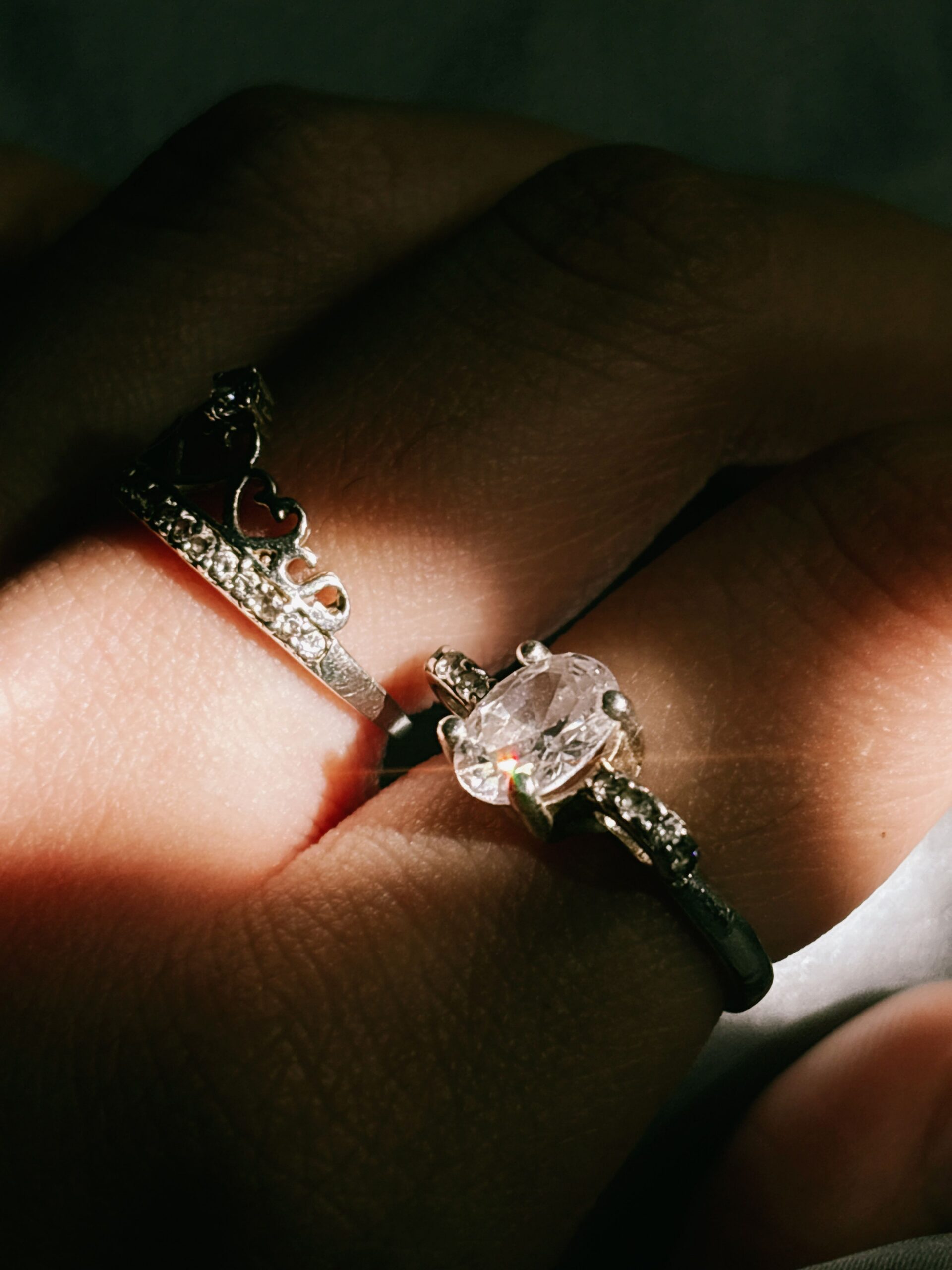
Read durability correctly
Diamond Hardness vs Toughness: Why the Hardest Gem Can Still Chip
Hardness explains resistance to scratching. Toughness explains resistance to breaking. Knowing the difference leads to safer everyday wear and more useful setting questions.
Diamond sits at 10 on the Mohs hardness scale, but that familiar fact does not mean a diamond is impossible to damage. A diamond can resist scratching exceptionally well and still chip if a force reaches a vulnerable edge, point or crystal direction.
This distinction is practical rather than academic. It explains why normal dust is unlikely to scratch a diamond, while a strike against a stone countertop may still chip the girdle. It also explains why the setting, stone shape, condition and way a ring is worn all matter alongside the gem’s identity.
One word is not enough
Hardness, toughness and stability measure different things
Gemological durability combines three properties. They overlap in everyday conversation, but they answer different questions. GIA defines hardness as resistance to scratching and abrasion, toughness as resistance to breaking and chipping, and stability as resistance to chemicals and thermal shock.
Hardness
Hardness describes how readily a surface is scratched. Diamond is the hardest natural mineral on the Mohs scale. The scale is ordinal rather than evenly spaced, so the step from 9 to 10 is not a simple ten-percent increase.
Toughness
Toughness describes how a material responds to impact and whether a crack can start or travel. A stone may be very hard yet have directions in which its atomic structure separates more readily.
Stability
Stability concerns heat, chemicals and temperature change. Diamond is generally stable, but sudden extreme heat changes and jewellery-repair temperatures still require professional assessment and controlled handling.
A simple analogy is a scratch-resistant hard surface that can still fracture under the wrong blow. The analogy is not a test for a real diamond and should not be used to experiment on jewellery. It is only a reminder that surface resistance and fracture resistance are not interchangeable.
Crystal direction matters
Why a hard diamond can still chip
Diamond is built from carbon atoms joined in a strong crystal structure. That structure is not equally resistant in every direction. GIA explains that diamond has cleavage directions—planes along which the atomic arrangement can separate more readily than in other directions. A sharp force applied in a vulnerable direction can begin a chip or fracture even though the surface strongly resists ordinary abrasion.
The event is about more than the size of the knock. Contact point, angle, stone shape, girdle thickness, inclusions near an edge, previous damage and the support provided by the setting can all influence the result. A heavy-looking impact does not always create a chip, while an apparently minor strike at a particularly exposed point sometimes can.
That is also why “diamond is forever” should be understood as a statement about exceptional durability, not invulnerability. GIA describes diamond as extremely hard but only somewhat tough, while IGI’s 2026 durability discussion stresses that the Mohs scale predicts scratching—not whether a gem will split after a counter-edge impact.
Chipping is not the same as scratching
A scratch is a line or abraded area on a surface. A chip is a loss of material, often at an edge or point. Dirt, metal transfer, worn plating or a damaged prong can sometimes look alarming without being a chip. Conversely, a small chip may be difficult to recognise without magnification. Avoid trying to diagnose the mark with a needle, file or improvised tool.
If appearance suddenly changes after an impact, remove the jewellery and have it checked. Continued wear can expose a weakened area to a second strike or allow a loose stone to move in its setting.
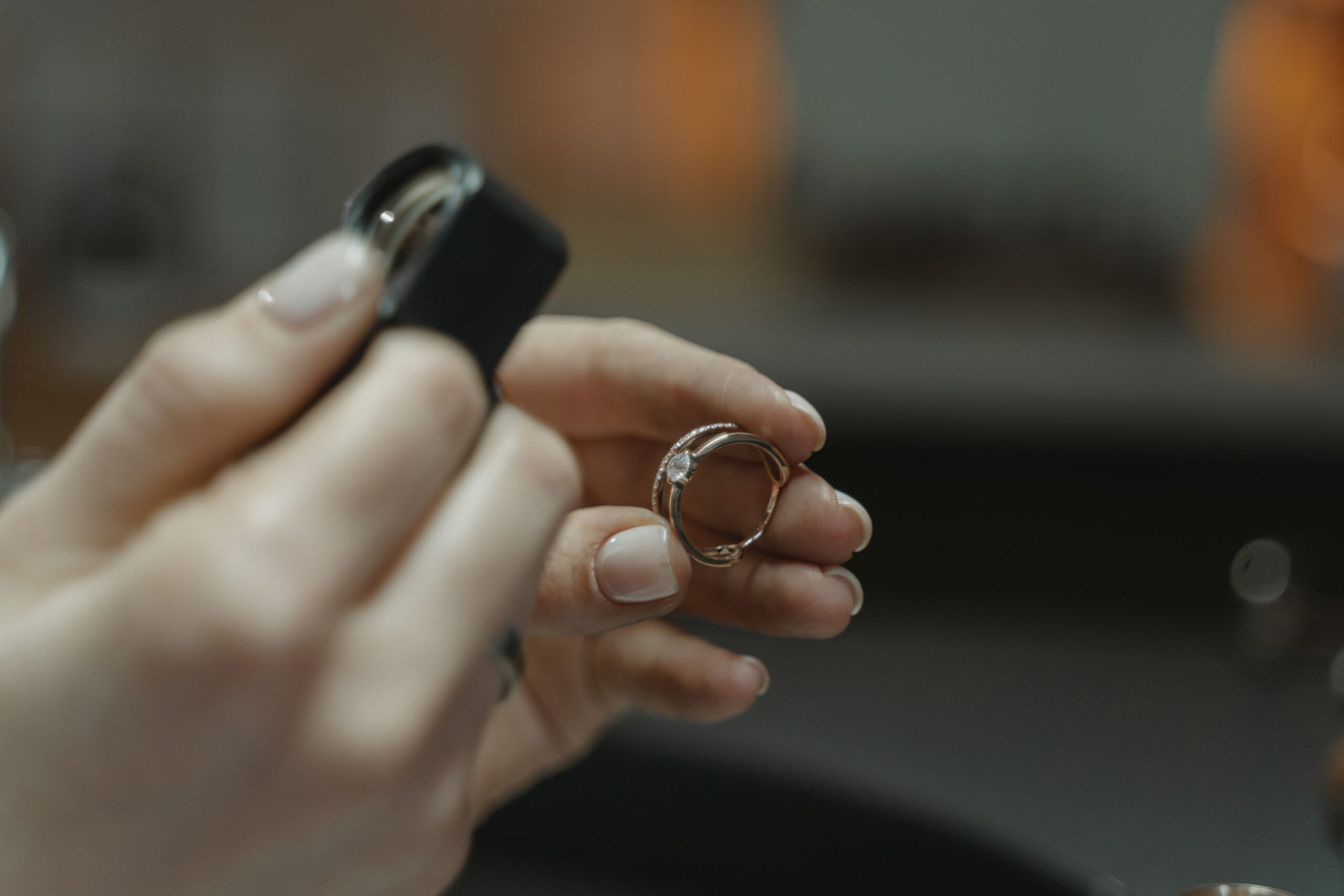
Edges deserve attention
Where diamond damage is more likely to begin
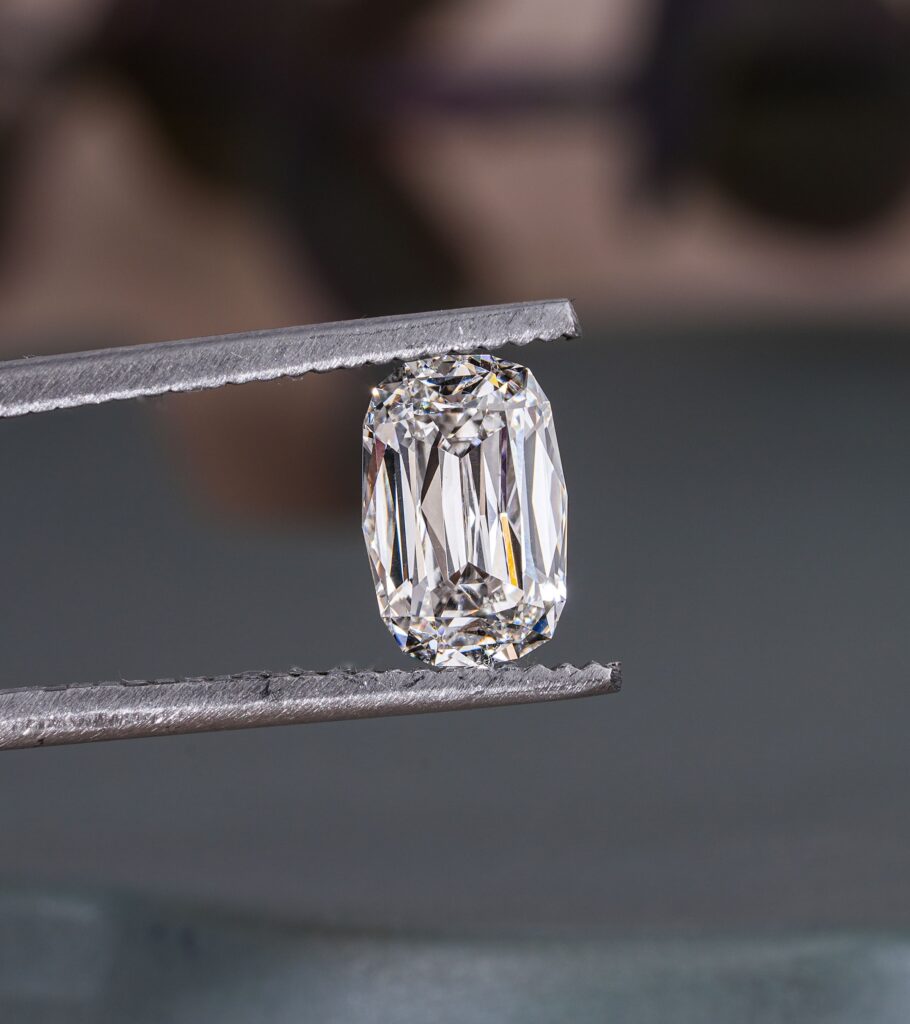
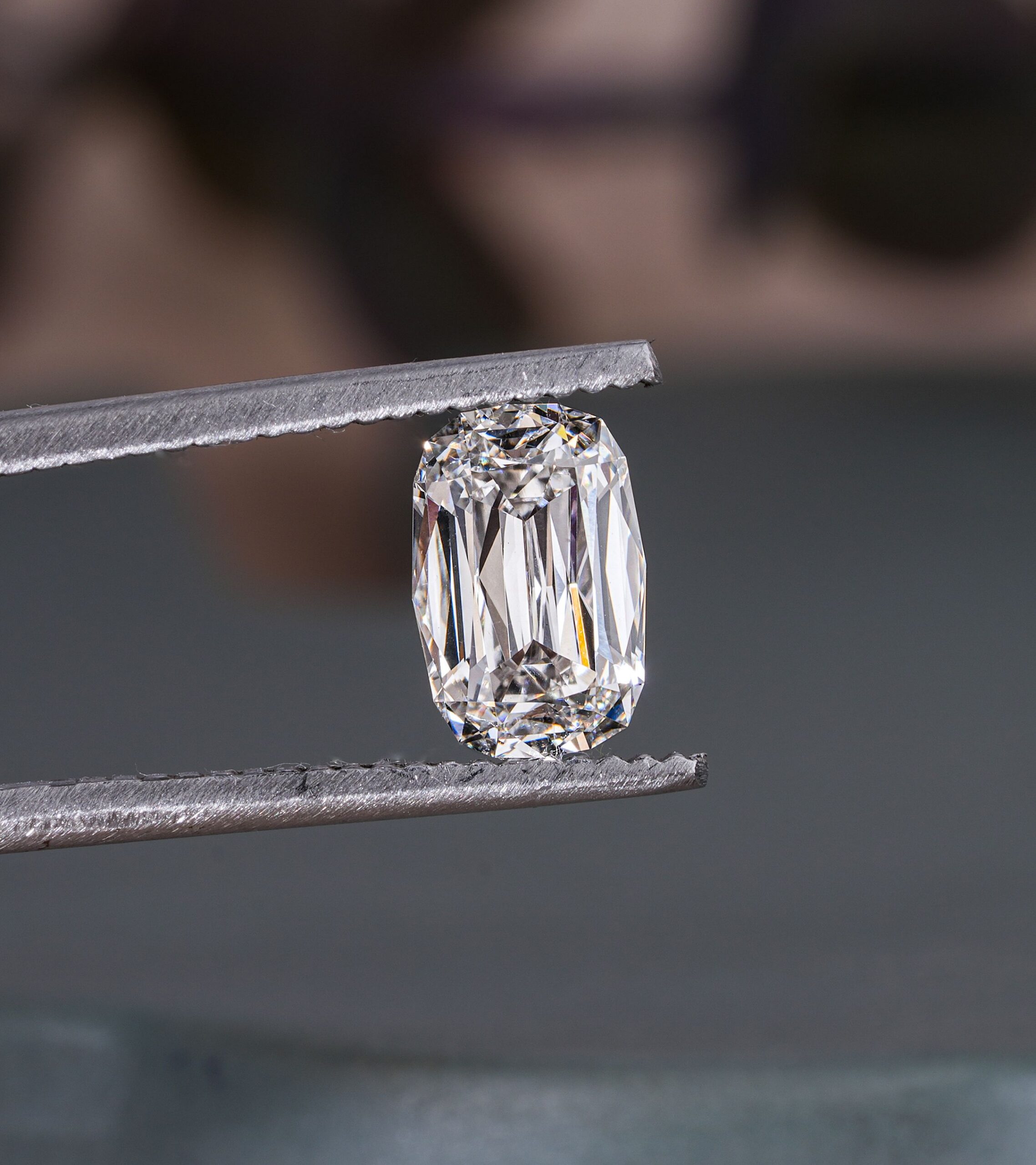
The girdle forms the diamond’s outer edge and is a common impact zone. GIA notes that very thin girdle sections are more vulnerable than well-supported areas. The diamond girdle thickness guide explains how to read this feature on a grading report without treating one word as the whole durability decision.
Pointed shapes concentrate exposure at corners and tips. Princess corners, pear points and marquise tips are examples that normally need thoughtful protection. A pointed culet on a loose stone is also vulnerable, although the setting usually shields it once mounted. Existing surface-reaching features near an edge may affect risk and should be interpreted by a professional, not from a photograph alone.
The mount is part of the protection system
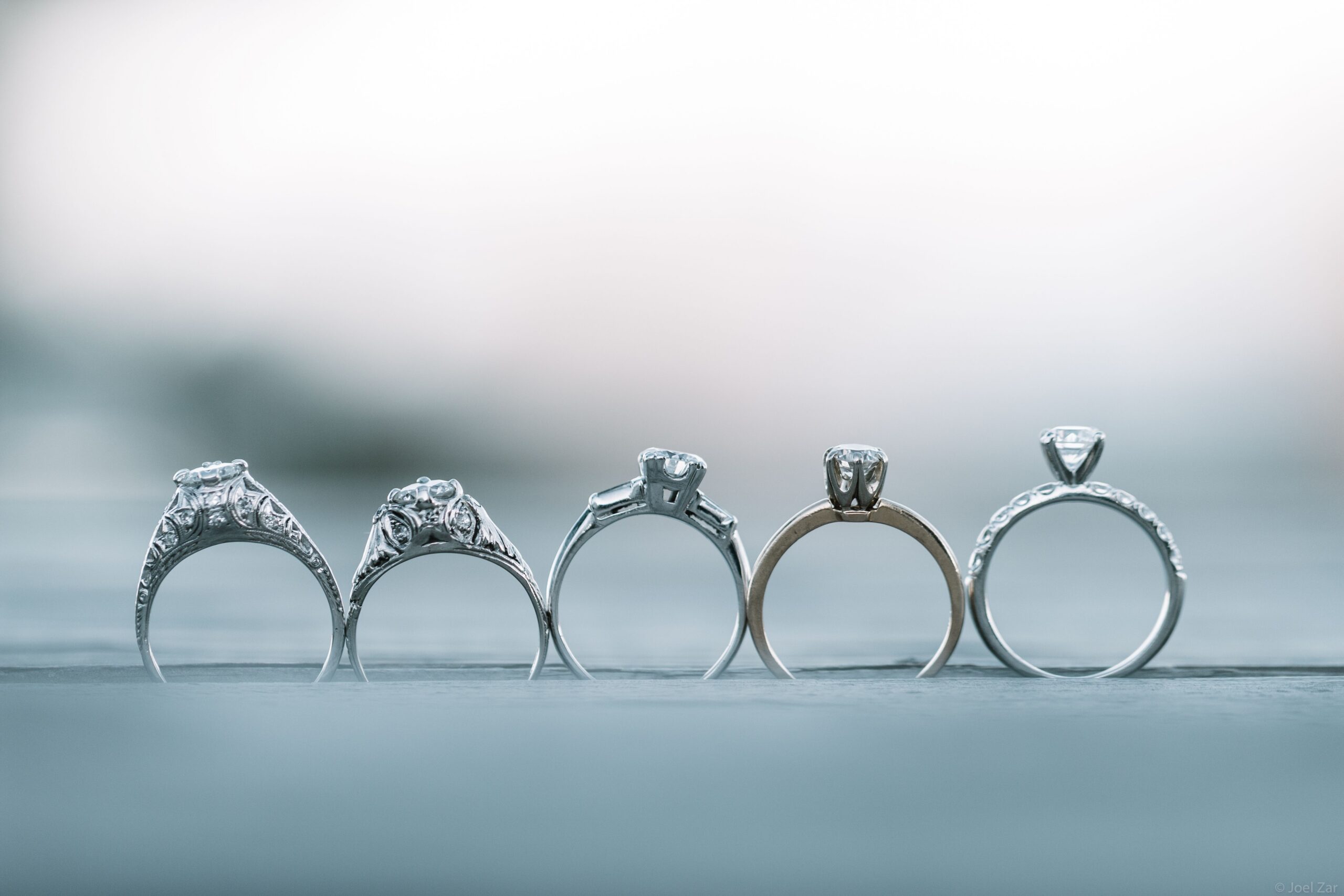
How a ring setting changes diamond exposure
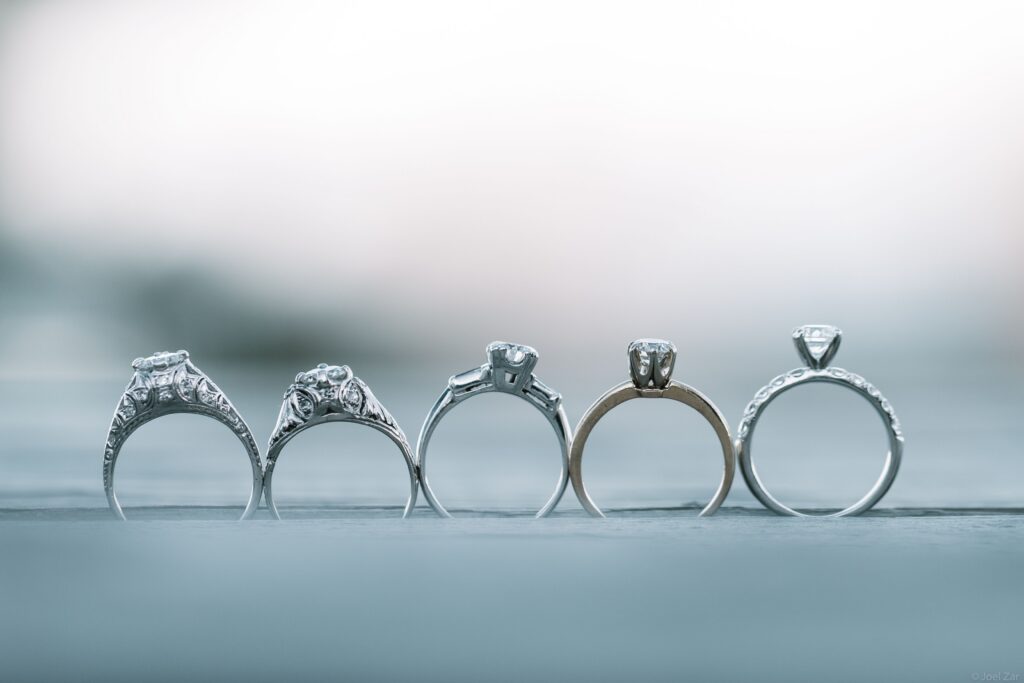
A setting cannot make a diamond unbreakable, but it controls which areas are exposed and how securely the stone is held. GIA recommends protective approaches such as bezels, partial bezels or V-shaped prongs for vulnerable corners and points. The best choice also depends on design, cleaning access, stone dimensions and the quality of execution.
| Feature | What it may expose | Useful question for the jeweller |
|---|---|---|
| High-set centre stone | Girdle and prongs may meet doors, counters or equipment more readily. | Which edges remain exposed during normal hand movement? |
| Princess, pear or marquise point | A sharp corner or tip concentrates risk. | Is each point fully supported by an appropriate V-prong or protective border? |
| Very thin girdle area | A narrow edge may be less tolerant of direct impact. | Where is the thinnest section, and how does the mount protect it? |
| Tension-style mounting | Pressure is applied at opposing girdle areas while sides remain exposed. | Has the stone and girdle condition been assessed for this exact mounting? |
| Loose or bent prong | The diamond can move and meet force without intended support. | Should wear stop immediately, and what inspection is required? |
Prongs are not permanent simply because the diamond is hard. GIA notes that a diamond moving in a loose setting can abrade precious metal over time. Laxmi Jewellers’ prong inspection and repair guide covers warning signs such as snagging, movement and a changed stone position. Structural concerns belong with a jeweller; glue or bending a prong at home is not a safe substitute.
Natural and laboratory-grown diamonds share the same crystal structure and fundamental durability properties. The distinction between lab-grown and natural diamonds does not turn one into a scratch-proof or chip-proof version of the other.
Reduce concentrated impact
Practical habits that lower chip risk
Protective wear is less about treating a diamond as fragile and more about avoiding predictable collisions. Kitchen and bathroom counters, gym equipment, tools, machinery, heavy lifting and hard landscaping surfaces create situations where a ring can take a focused blow. Remove fine jewellery before an activity if you cannot control the contact risk.
- Use a deliberate storage place. Keep each piece separately rather than loose against other diamonds or precious-metal jewellery.
- Remove by the shank. Avoid repeatedly pulling on the centre stone or prongs when taking a ring off.
- Pause after a strike. If the ring hits a hard edge, check for changed alignment, movement or snagging before wearing it again.
- Do not rely on sparkle. A diamond can still sparkle while a prong is bent or an edge is damaged.
- Keep routine care gentle. Follow the piece-specific instructions in the diamond jewellery care guide and arrange inspection before ultrasonic or steam cleaning if stones may be loose.
- Explain your routine when buying. Work, sport, frequent glove use and other rings can affect the most practical profile and protection.
Two diamond rings worn together can also contact one another. Because diamond can scratch setting metal and exposed stones may strike adjacent stones, a stack should be assessed for clearance. A spacer or different alignment may be appropriate, but the solution depends on the actual rings.
Shape does not decide durability by itself
Rounded outlines have no pointed corners, but they can still have exposed girdles, thin sections or worn settings. Pointed shapes need more deliberate protection, yet they can be worn successfully when the mount is designed and maintained properly. Compare shape together with report details and construction rather than labelling one outline “safe” in every design.
Changed behaviour is evidence
When to stop wearing the ring and seek inspection
Stop wearing the piece after a hard impact if the diamond moves, makes a new sound, sits at a different angle, catches fibres, has a visible missing area or appears to have a new line at an edge. Place it in a secure container and avoid repeated touching. A professional can inspect the stone, setting and neighbouring diamonds under magnification.
Do not keep wearing a visibly chipped diamond while waiting for convenient service. GIA warns that the sharp new edge created by an existing chip can be at higher risk of further damage. The appropriate response may involve resetting, rotating, repolishing or recutting, but those are case-specific professional decisions with possible weight, appearance and value implications.
For a new purchase, inspect the diamond and finished ring rather than choosing on Mohs hardness alone. Ask how corners are protected, whether the girdle has very thin areas, how the stone is secured and what inspection schedule the jeweller recommends for the construction.
Durability questions answered
Diamond hardness vs toughness FAQs
If diamond is a 10 on the Mohs scale, how can it chip?
The Mohs scale describes scratch resistance, not resistance to fracture. Diamond’s crystal structure has cleavage directions, so a sufficiently concentrated blow at a vulnerable edge or point can start a chip even though the surface is exceptionally hard.
Can another diamond scratch my diamond?
Diamond can scratch diamond when the contact and crystal directions allow it. Store pieces separately and avoid loose contact between stones. Precious-metal settings can also be worn by repeated diamond contact.
Are lab-grown diamonds less tough than natural diamonds?
Both are diamond and share the same basic crystal structure and core durability properties. Individual stones still differ in shape, inclusions, girdle condition and setting exposure, which should be assessed on the actual piece.
Which diamond shapes need the most edge protection?
Shapes with points or sharp corners—such as princess, pear and marquise—have obvious vulnerable areas. Appropriate V-prongs, bezels or other protective construction may help, but workmanship and the individual diamond remain important.
Can a chipped diamond be repaired?
Sometimes a specialist may recommend resetting, repolishing or recutting, but not every chip can be removed without unacceptable loss or design change. Stop wearing the piece and obtain a professional assessment before deciding.
Technical references
Definitions and practical guidance were checked against GIA’s diamond care and durability guide, GIA’s detailed research article on protecting diamonds from chipping, and IGI’s May 2026 explanation of hardness, toughness and stability.
Choose protection with the design
Explore diamond rings with setting and wear in mind
Compare the complete ring—stone shape, girdle, profile and setting—not hardness in isolation.